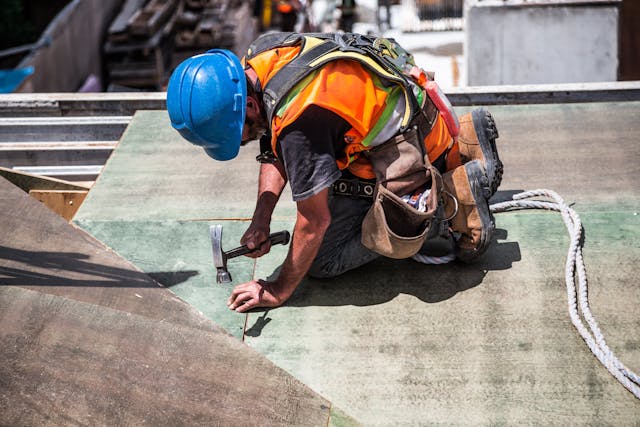
Exterior construction has always been about protection, durability, and craftsmanship. Roofing, siding, gutters, and exterior finishes form the first line of defense against weather, wear, and time. What is changing today is not the importance of these systems, but how they are planned, managed, and maintained. As construction moves toward smarter processes, AI tools are becoming a quiet but powerful influence in modern roofing and exterior projects.
AI is not replacing skilled trades or hands-on expertise. Instead, it is helping exterior professionals make better decisions before, during, and after a project. From planning and documentation to maintenance and communication, AI tools are reshaping how exterior work fits into the broader future of construction. The result is not flashier buildings, but more resilient, better-managed exteriors built to perform over the long term.
Why Exterior Projects Are Becoming More Data-Informed
Modern exterior projects face more complexity than in the past. Buildings are larger, timelines are tighter, and expectations around performance are higher. Roofing and exterior systems must work together with insulation, drainage, ventilation, and structural elements. When something fails, the impact can extend far beyond surface damage.
AI tools support this complexity by helping teams organize and interpret information. Inspection notes, weather exposure patterns, maintenance histories, and project documentation can be reviewed collectively rather than in isolation. This creates a clearer picture of how exterior systems behave over time.
Instead of reacting only when visible damage appears, exterior professionals can make informed adjustments earlier. This shift from reactive to informed decision-making is one of the key reasons AI tools are gaining relevance in roofing and exterior work.
AI as a Planning Assistant for Roofing and Exterior Systems
Planning is one of the most important phases of any exterior project. Roofing and exterior work often involves long-term consequences, where early decisions affect durability and maintenance years down the line. AI tools help support this planning by organizing past project data and highlighting patterns that matter.
For example, recurring issues in certain roof sections, drainage challenges on specific elevations, or exterior wear linked to exposure can be identified more easily when information is reviewed over time. AI tools help surface these insights so planning is based on experience, not assumptions.
This does not mean automated planning. It means better-prepared planning. Exterior professionals still rely on judgment and expertise, but AI tools help ensure that important details are not overlooked. This leads to smarter layouts, more realistic timelines, and better alignment between design intent and real-world conditions.
Improving Communication Across Exterior Projects
One of the ongoing challenges in roofing and exterior work is communication. Property owners, project managers, and service teams often need different levels of information, and misunderstandings can lead to delays or frustration.
AI tools help improve communication by supporting clearer documentation and explanations. Inspection findings, maintenance recommendations, and project updates can be presented in a structured and understandable way. This clarity helps clients feel informed rather than confused, especially when decisions involve long-term investments.
For commercial exterior projects, clear communication is essential. Facility managers rely on accurate records for budgeting and compliance. AI tools help generate consistent summaries that support these needs while reducing administrative strain on service teams.
Smarter Maintenance for Roofing and Exterior Systems
Maintenance is where AI tools have a particularly strong impact. Roofing and exterior systems often show early signs of wear long before failure occurs. These signals can be subtle and easy to miss when viewed as isolated events.
AI tools help identify maintenance patterns by reviewing historical data across inspections and service visits. Repeated moisture exposure, gradual material fatigue, or drainage inefficiencies can be flagged earlier. This allows exterior professionals to recommend targeted maintenance rather than broad or emergency repairs.
For property owners, this results in fewer surprises and more predictable upkeep. Maintenance becomes a planned process instead of a reactive one. This aligns with the broader shift in construction toward preserving assets rather than constantly replacing them.
Roofing Projects in a Smarter Exterior Landscape
Roofing remains one of the most critical exterior systems, and AI tools are helping elevate how roofing projects are managed. While installation techniques remain hands-on, planning and follow-up benefit from better organization and insight.
AI-supported systems help track inspection outcomes, weather exposure, and maintenance needs over time. This makes it easier to determine when attention is needed and why. Roofing decisions become more strategic, supporting long-term performance rather than short-term fixes.
For residential roofing, this means homeowners receive clearer guidance and feel more confident in care decisions. For commercial roofing, it supports long-term planning and reduces operational disruptions. In both cases, AI tools enhance understanding without interfering with craftsmanship.
Exterior Systems Beyond the Roof
Modern exterior projects go beyond roofing alone. Siding, gutters, trim, and drainage all play interconnected roles. AI tools help support this integrated view by organizing information across multiple systems.

When exterior components are evaluated together, problems are less likely to be misattributed. Water-related issues, for example, may involve roofing, gutters, and siding simultaneously. AI tools help surface these connections by reviewing data holistically.
This integrated approach leads to better solutions and fewer repeated issues. Exterior professionals can recommend improvements that address root causes rather than symptoms, which benefits both performance and client trust.
Supporting Consistency Across Teams and Projects
As exterior service providers grow, maintaining consistency becomes more challenging. Different team members may document findings differently or explain recommendations in varied ways. AI tools help standardize communication and reporting without eliminating flexibility.
Shared frameworks for inspections, updates, and maintenance planning help ensure that clients receive a consistent experience. This professionalism builds confidence, especially for property owners managing multiple projects or locations.
Internally, consistency improves efficiency. Teams spend less time clarifying information and more time focusing on quality work. This supports sustainable growth without compromising standards.
Reducing Administrative Burden in Exterior Work
Exterior projects involve significant administrative work, from documentation to follow-up communication. While necessary, these tasks can pull focus away from planning and fieldwork.
AI tools help reduce administrative load by assisting with drafting reports, organizing records, and summarizing findings. This does not eliminate detail. It ensures that information is captured clearly and consistently with less manual effort.
Reducing administrative strain allows exterior professionals to dedicate more attention to inspection quality, client relationships, and long-term planning. This balance supports both operational health and service quality.
Residential Benefits of AI-Supported Exterior Care
For homeowners, exterior systems are often difficult to monitor. Roofs, gutters, and siding are not part of daily routines, which makes proactive care challenging.
AI-supported exterior planning helps homeowners stay informed without being overwhelmed. Clear summaries, realistic maintenance guidance, and documented histories make care more approachable. Instead of reacting to visible damage, homeowners can make informed decisions earlier.
This reduces stress and improves confidence. When homeowners understand the condition of their exterior systems, they feel more in control and better prepared for future needs.
Commercial Advantages of Smarter Exterior Projects
Commercial properties place higher demands on exterior systems due to size, exposure, and operational requirements. AI tools support these demands by helping manage information across complex portfolios.
Facility managers benefit from organized records, predictable maintenance planning, and clearer communication. Exterior service providers benefit from smoother coordination and stronger long-term relationships.
This partnership approach reflects the future of commercial construction and maintenance, where exterior services are integrated into broader asset management strategies rather than treated as isolated tasks.
Keeping Technology in the Background
One of the most important aspects of using AI tools in exterior projects is restraint. The goal is not to overwhelm teams or clients with technology, but to use it quietly and effectively.
AI tools work best when they support human judgment rather than compete with it. Skilled professionals still assess conditions, make recommendations, and perform the work. AI simply helps ensure that decisions are informed by organized insight rather than fragmented information.
When technology stays in the background, the focus remains on craftsmanship, communication, and care. This balance is essential for maintaining trust in exterior services.
What Smarter Exteriors Really Mean
Smarter exteriors are not defined by complexity. They are defined by foresight. Roofing and exterior projects that use AI tools effectively are better planned, better maintained, and better understood.
This approach reduces emergency repairs, extends system life, and supports more predictable outcomes. It aligns exterior services with the future of construction, where durability, planning, and long-term value matter more than quick fixes.
Building Exterior Systems for the Future
The future of roofing and exterior work is not about replacing traditional skills with software. It is about supporting those skills with tools that improve clarity and consistency.
AI tools help exterior professionals see patterns, communicate better, and plan ahead. Property owners benefit from fewer surprises and more confidence in their investments. Together, these advantages create exterior systems that are built not just to last, but to adapt.
Smarter exteriors ahead are the result of thoughtful integration—where experience, craftsmanship, and intelligent tools work together to protect buildings today and well into the future.
Leave a Reply