
Custom shirt printing has always balanced creativity with production realities. Designers imagine bold visuals, while shop owners manage timelines, materials, and customer expectations. As competition increases and turnaround times shrink, many shops are realizing that creativity alone is not enough. Planning, efficiency, and clarity now play just as important a role in success. This is where AI tools are beginning to influence how custom shirt printing shops approach design and operational planning.
AI is not replacing designers or printers. Instead, it is reshaping how ideas are explored, refined, and prepared for production. By supporting decision-making and reducing friction in early stages, AI tools help shops move from concept to print with greater confidence and fewer costly missteps.
The Pressure to Design Faster Without Losing Quality
Custom shirt printing shops often work under tight deadlines. Customers want unique designs, fast proofing, and quick delivery, all while expecting consistent quality. Traditionally, this meant long design hours, multiple revisions, and frequent back-and-forth communication.
AI tools help reduce this pressure by accelerating the design exploration phase. Instead of starting from a blank canvas every time, designers can generate visual concepts quickly and then refine them manually. This does not eliminate creative judgment, but it shortens the time it takes to reach a viable starting point. Faster early-stage design allows shops to focus more energy on refining details that matter for print quality.
Supporting Idea Generation and Creative Exploration
One of the earliest ways AI tools are influencing shirt printing shops is through idea generation. Designers can experiment with styles, layouts, and themes more freely without committing hours to each concept. This is especially useful for customers who have vague ideas or need guidance.
AI-assisted exploration helps visualize options quickly, making it easier to align expectations early. When customers can see multiple directions upfront, decision-making becomes smoother. Shops benefit by reducing the number of late-stage revisions that disrupt production schedules.
Improving Design Consistency Across Orders
Consistency is critical for custom printing, especially for businesses serving teams, organizations, or brands that place recurring orders. Maintaining visual consistency across different runs can be challenging when designs evolve over time or multiple designers are involved.
AI tools help standardize elements such as spacing, proportions, and layout logic. By referencing past designs and established patterns, these tools support consistency without forcing rigid templates. This is particularly valuable for shops handling repeat clients who expect uniform results across different batches or garment styles.
Helping Designers Think in Terms of Print Constraints
Designing for shirts is not the same as designing for screens. Colors, textures, and fine details behave differently when transferred to fabric. Many design issues arise when concepts look good digitally but perform poorly in print.
AI tools are increasingly used to simulate how designs may translate to physical garments. By highlighting potential issues such as color blending, excessive detail, or placement problems, these tools help designers adjust earlier in the process. This foresight reduces trial-and-error during printing and minimizes wasted materials.
Streamlining Customer Proofing and Approval
Customer approval is one of the most time-consuming parts of custom shirt printing. Multiple revisions, unclear feedback, and misaligned expectations can slow production significantly. AI tools help streamline this stage by presenting clearer, more polished mockups early.
When customers see accurate previews that reflect placement, scale, and color relationships, approvals tend to happen faster. AI-supported mockups help bridge the gap between imagination and reality, reducing misunderstandings that often lead to rework.
Planning Production More Intelligently
Beyond design, AI tools are beginning to influence production planning. Custom shirt printing involves coordinating garment availability, print methods, order sizes, and timelines. Miscalculations at this stage lead to delays, rush jobs, or unnecessary costs.
AI-assisted planning tools help analyze order details and highlight potential bottlenecks. For example, they can help estimate production time based on design complexity or suggest grouping similar jobs to improve efficiency. While final decisions remain human-driven, these insights support smoother scheduling and resource allocation.
Reducing Errors Before They Reach the Press
Mistakes in shirt printing are costly. Incorrect sizing, placement errors, or overlooked design flaws often result in wasted garments. AI tools help reduce these errors by acting as a second layer of review.
By checking alignment, proportions, and consistency across variations, AI-supported systems flag potential issues before printing begins. This early detection allows corrections without disrupting production flow. Over time, this reduces material waste and protects profit margins.
Supporting Small Shops With Limited Design Staff
Not every custom shirt printing shop has a large design team. Many small operations rely on one or two people to handle design, customer communication, and production planning. AI tools help extend the capabilities of these teams without adding headcount.
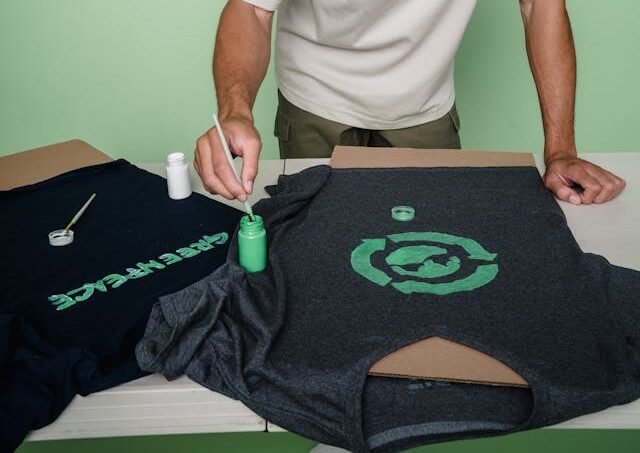
By assisting with repetitive or time-intensive tasks, AI allows designers to focus on higher-level creative decisions. This support helps small shops compete more effectively with larger operations by improving turnaround times and consistency.
Adapting Designs for Different Garments and Sizes
Custom printing often involves adapting a single design across multiple shirt styles, colors, and sizes. Each variation may require slight adjustments to maintain visual balance. Doing this manually for every order can be tedious and error-prone.
AI tools help analyze how designs scale and adapt across different garments. They can suggest placement adjustments or flag potential issues with proportion. This adaptability makes it easier to deliver consistent results across diverse orders without extensive manual rework.
Improving Communication Between Design and Production
In many shops, design and production are closely linked but still experience communication gaps. A design that looks good conceptually may be difficult to execute efficiently on the press. AI tools help bridge this gap by encouraging design decisions that align with production realities.
By highlighting complexity, color count, or placement challenges early, AI-supported planning helps designers and printers stay aligned. This shared understanding reduces friction and improves overall workflow efficiency.
Data-Informed Decision-Making for Repeat Jobs
Over time, custom shirt printing shops accumulate valuable data about what works and what does not. Which designs required revisions, which layouts printed cleanly, and which orders caused delays all offer lessons.
AI tools help analyze this historical data and surface patterns. These insights inform future design and planning decisions, helping shops avoid repeating past mistakes. This feedback loop gradually improves efficiency and quality across the business.
Balancing Automation With Creative Control
Despite their growing role, AI tools do not replace creative judgment. Custom shirt printing remains a hands-on craft where human taste, experience, and problem-solving are essential. The most successful shops treat AI as a support system rather than an authority.
Designers decide what feels right, what matches the client’s identity, and what fits the shop’s capabilities. AI tools provide suggestions, previews, and warnings, but final choices remain human-driven. This balance preserves creativity while benefiting from efficiency.
Addressing Concerns Around Originality and Authenticity
Some shop owners worry that AI-assisted design may lead to generic or repetitive outcomes. This risk exists when tools are used without intention. However, when guided by skilled designers, AI becomes a starting point rather than an endpoint.
Originality still depends on human direction. AI tools respond to prompts and constraints set by people. Shops that maintain a strong creative vision use AI to explore possibilities, not replace their unique style.
Training Teams to Work Alongside AI Tools
As AI tools become more common, training becomes important. Designers and staff need to understand how to use these systems effectively without over-reliance. Learning how to interpret suggestions and apply judgment ensures better outcomes.
Shops that invest in training see smoother integration and fewer frustrations. AI becomes part of the workflow rather than a disruptive change, supporting confidence rather than replacing skills.
Preparing for a More Data-Driven Printing Industry
The custom shirt printing industry is gradually becoming more data-aware. Customers expect faster responses, clearer previews, and reliable timelines. AI tools support these expectations by improving planning and communication.
Shops that adopt AI thoughtfully position themselves to adapt as expectations evolve. Rather than reacting to change, they gain tools that support growth and consistency.
The Future of Design and Planning in Custom Shirt Printing
AI tools are still in early stages within custom shirt printing, but their influence is growing. Today, they support design exploration, proofing, and planning. Tomorrow, they may play a larger role in predicting demand, optimizing workflows, and supporting personalized experiences at scale.
The direction is clear: successful shops will blend craftsmanship with intelligent support systems. Design will remain creative, but planning will become smarter and more efficient.
A Practical Shift, Not a Creative Threat
Custom shirt printing has always adapted to new tools, from digital design software to modern presses. AI tools represent another step in this evolution. They do not replace creativity, craftsmanship, or experience. They enhance them.
By helping shops design more clearly, plan more accurately, and communicate more effectively, AI tools support better outcomes for both printers and customers. For custom shirt printing shops willing to adopt them thoughtfully, AI is less about automation and more about clarity, efficiency, and confidence in every order.
Leave a Reply