
Commercial renovations are complex by nature. They involve multiple stakeholders, tight timelines, evolving scopes, and constant coordination between design, construction, and operations. Decisions made early in the process can have lasting effects on cost, performance, and disruption to occupants. As renovation projects become more demanding, traditional planning methods are often stretched thin.
AI tools are changing how renovation teams plan, evaluate options, and make decisions. Rather than replacing professional expertise, these tools support it by organizing information, identifying patterns, and reducing uncertainty. The result is a more structured, responsive planning process that helps teams move forward with confidence.
The Challenge of Decision-Making in Commercial Renovations
Unlike new construction, commercial renovations must work around existing conditions. Unknown structural details, aging systems, and incomplete documentation add layers of risk. Decisions are often made with limited visibility, and small miscalculations can lead to delays or costly rework.
Planning also involves balancing competing priorities. Budgets, schedules, tenant needs, regulatory requirements, and long-term performance all influence decisions. AI tools help manage this complexity by bringing clarity to large volumes of information and highlighting the implications of different choices before work begins.
Turning Disconnected Information Into Usable Insight
One of the biggest obstacles in renovation planning is fragmented information. Drawings, inspection notes, schedules, and cost estimates often live in separate systems or formats. Reviewing and aligning this data manually takes time and increases the risk of oversight.
AI tools help synthesize scattered inputs into structured summaries. By organizing existing documentation and field observations, they create a clearer picture of current conditions. This consolidated view supports more informed discussions and reduces guesswork during early planning stages.
Improving Early-Stage Scope Definition
Defining scope accurately is critical in commercial renovations. Underestimating work leads to change orders and delays, while overestimating can stall projects before they begin. AI-assisted analysis helps teams review similar past projects, typical risk areas, and known constraints to refine scope early.
By identifying patterns in previous renovations, AI tools highlight areas where hidden issues commonly arise. This allows teams to plan contingencies and prioritize investigative work before committing to a final scope. Better scope definition supports more realistic budgets and schedules.
Smarter Budget Forecasting and Cost Awareness
Cost uncertainty is a major concern in renovation projects. Existing conditions often reveal surprises that impact budgets after work starts. AI tools assist by analyzing historical cost data, material trends, and project variables to support more accurate forecasting.
Rather than relying solely on static estimates, planners gain insight into where costs are most likely to shift. This awareness allows decision-makers to compare options more clearly and understand trade-offs between short-term savings and long-term performance. Budget conversations become more strategic and less reactive.
Supporting Schedule Planning and Phasing Decisions
Commercial renovations frequently occur in occupied buildings, making scheduling especially sensitive. Phasing work to minimize disruption requires careful coordination between trades and building users. AI tools help analyze sequencing options and identify potential conflicts.
By reviewing dependencies and constraints, AI-assisted planning supports more efficient phasing strategies. Teams can explore different scenarios and assess their impact on timelines and operations. This reduces downtime and helps renovations progress with fewer interruptions to daily business activities.
Enhancing Collaboration Between Stakeholders
Renovation decisions involve owners, designers, contractors, and facility managers, each with different priorities and perspectives. Misalignment between stakeholders often leads to delays or rework. AI tools improve collaboration by presenting information in shared, understandable formats.
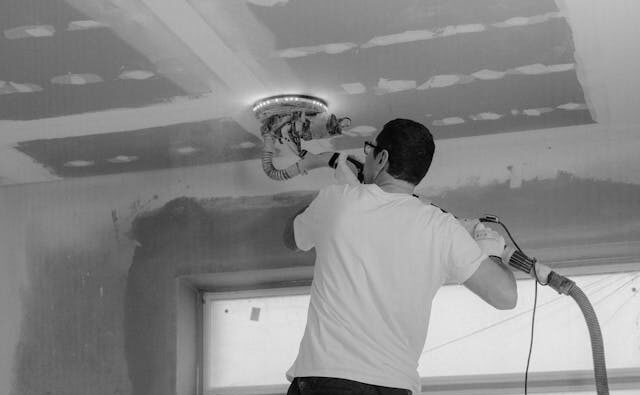
Clear summaries, scenario comparisons, and data-driven insights help align expectations early. When everyone works from the same structured understanding of the project, discussions become more productive. Decisions are made faster and with greater consensus.
Reducing Risk Through Predictive Insight
Risk management is a central concern in commercial renovations. Structural unknowns, system compatibility issues, and regulatory challenges can derail projects if not anticipated. AI tools support risk identification by recognizing patterns across similar projects and conditions.
Predictive insights help teams focus investigative efforts where they matter most. Instead of treating all unknowns equally, planners can prioritize areas with the highest likelihood of impact. This targeted approach reduces surprises and supports more resilient planning.
Streamlining Documentation and Approvals
Renovation projects generate extensive documentation, from scope narratives to approval packages. Preparing and revising these documents manually can slow progress, especially when changes occur frequently.
AI tools assist by organizing notes, generating structured drafts, and tracking revisions. This improves clarity and consistency across documents. Faster, clearer documentation supports smoother approval processes and reduces administrative bottlenecks.
Supporting Compliance and Regulatory Planning
Commercial renovations must comply with building codes, accessibility standards, and safety regulations. Interpreting requirements and applying them correctly across existing structures can be challenging.
AI-assisted tools help organize regulatory information and flag potential compliance issues early. This allows teams to address requirements proactively rather than reactively. Early awareness reduces redesign efforts and helps avoid costly delays tied to permitting or inspections.
Enabling Better Use of Existing Buildings
Renovations are often driven by the need to adapt spaces to new uses. AI tools support this process by helping teams evaluate how existing layouts, systems, and structures can be reused or reconfigured efficiently.
By analyzing space utilization and performance data, planners gain insight into which changes deliver the greatest value. This supports smarter decisions about where to invest and where to preserve existing elements. Adaptive reuse becomes more intentional and less speculative.
Improving Decision Confidence Under Pressure
Renovation planning often happens under time constraints. Vacant spaces, expiring leases, or operational pressures push teams to make decisions quickly. AI tools support confidence by providing structured analysis rather than relying on intuition alone.
When decision-makers understand the reasoning behind recommendations and see potential outcomes clearly, they are better equipped to move forward decisively. Confidence reduces hesitation and keeps projects on track.
Balancing Technology With Professional Judgment
While AI tools offer powerful support, they do not replace experience or on-site expertise. Renovation work remains highly contextual, and human judgment is essential for interpreting conditions and making final decisions.
The most effective use of AI treats it as a planning partner rather than an authority. Professionals review, question, and apply AI-generated insights within the realities of the project. This balance preserves accountability while improving clarity and efficiency.
Long-Term Impact on Renovation Workflows
As AI tools become more integrated into renovation planning, workflows will continue to evolve. Teams will spend less time searching for information and more time evaluating options. Planning processes will become more transparent and adaptable.
Over time, lessons learned from each renovation feed into future projects. This creates a continuous improvement cycle where planning becomes more accurate and less reactive with every iteration.
Conclusion: Smarter Planning Leads to Better Renovations
Commercial renovations succeed or fail based on the quality of early decisions. AI tools are helping teams make those decisions with greater clarity, speed, and confidence. By organizing information, highlighting risks, and supporting collaboration, AI streamlines planning without removing human expertise from the process.
The future of commercial renovation is not automated construction. It is informed construction. When AI supports planning and decision-making thoughtfully, renovation projects become more predictable, resilient, and aligned with long-term goals.
Leave a Reply