
Strength training has always been grounded in consistency, discipline, and progressive overload. For decades, athletes relied on handwritten logs, mirrors, and personal intuition to evaluate performance. While those methods still play a role, they often leave room for guesswork. As technology continues to reshape fitness, artificial intelligence is redefining how strength training programs are built, monitored, and improved.
Rather than replacing effort or experience, AI enhances the training process by turning performance data into meaningful insights. This shift allows lifters to move beyond trial and error and toward more informed, adaptive, and sustainable training decisions.
The Evolution of Strength Training in a Digital Era
Strength training originally evolved through observation and repetition. Coaches refined techniques by watching athletes, while lifters adjusted based on how their bodies felt over time. As exercise science matured, structured concepts like volume control, rest periods, and training cycles became more common. Even so, applying these principles depended heavily on manual tracking and subjective assessment.
Digital tools improved this process by capturing workout details and basic performance metrics. However, early tracking systems mainly recorded information rather than interpreting it. Artificial intelligence bridges this gap by analyzing patterns across weeks and months, offering insights that reflect how the body actually responds to training stress instead of relying solely on averages or assumptions.
How AI Understands Strength Training Data
AI systems excel at processing large volumes of information and identifying relationships that are difficult to detect manually. In strength training, this includes analyzing load progression, repetition quality, movement speed, rest intervals, and signs of fatigue. Instead of focusing on isolated workouts, AI evaluates long-term trends to understand what drives progress or stagnation.
This broader perspective allows training plans to adapt dynamically. When performance improvements slow or recovery indicators decline, AI-driven insights can suggest adjustments before plateaus or injuries develop. As a result, training becomes responsive rather than rigid.
Personalized Training Programs Through Machine Learning
One of the most powerful benefits of AI in strength training is individualized programming. No two athletes respond to training in exactly the same way. Factors such as muscle fiber composition, recovery capacity, and movement mechanics all influence how a person adapts to load.
Machine learning models refine training variables by studying how each individual responds to volume, intensity, and frequency. Over time, these systems identify which combinations produce the best results for a specific athlete. This personalization reduces unnecessary fatigue and improves long-term consistency, making strength gains more predictable and sustainable.
Improving Technique with Data-Based Feedback
Strength development depends heavily on movement quality. Small technical errors can limit force production and increase injury risk over time. Traditionally, correcting these issues required constant supervision or video review, both of which can be inconsistent.
AI-powered analysis evaluates movement patterns by examining range of motion, tempo, and joint coordination during lifts. This feedback helps lifters recognize inefficient habits early and refine technique before poor patterns become ingrained. Consistent technical improvements support safer training and more effective strength progression.
Smarter Recovery and Fatigue Management
Recovery is a critical yet often underestimated component of strength training. Training hard without adequate recovery can lead to stalled progress or chronic overuse issues. AI-driven systems monitor training load trends and performance fluctuations to estimate fatigue levels more accurately than subjective feelings alone.
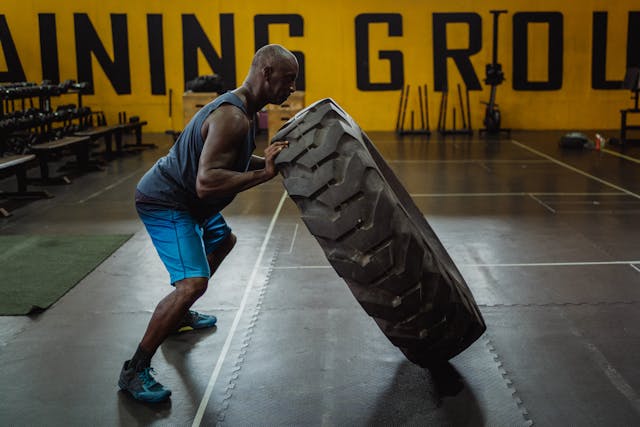
By identifying patterns that signal excessive strain, AI can help guide rest periods and workload adjustments. This approach encourages training at an intensity that promotes adaptation while minimizing unnecessary stress, supporting both short-term performance and long-term health.
Using Predictive Insights to Plan Progress
Beyond daily adjustments, AI offers long-term planning benefits through predictive analysis. By reviewing historical data, AI can forecast potential strength improvements and highlight periods when progress tends to slow. These insights help athletes and coaches structure training phases more effectively.
Predictive models also assist in identifying risk factors that could lead to setbacks if left unaddressed. This proactive approach allows for strategic planning rather than reactive corrections, creating a more stable path toward long-term strength development.
Motivation, Consistency, and Training Engagement
Consistency is one of the biggest challenges in strength training. Progress can feel slow when feedback is limited to occasional performance milestones. AI-driven insights provide ongoing feedback that reinforces effort and keeps athletes engaged in the process.
When trainees can see clear links between their actions and improvements in performance or recovery, motivation tends to increase. Training becomes more purposeful, reducing burnout and improving adherence over time.
Balancing Technology with Human Judgment
While AI provides valuable insights, it is most effective when combined with human experience and judgment. Data quality depends on accurate input, and not all performance factors can be fully captured by algorithms. Overreliance on automated recommendations without context can lead to misinterpretation.
Ethical considerations such as data privacy and user autonomy are also important. Responsible use of AI in strength training involves transparency, informed decision-making, and an understanding that technology should support, not replace, human awareness and expertise.
The Future of Data-Driven Strength Training
As AI technology continues to evolve, its influence on strength training will grow more refined. Future systems are likely to integrate training performance with broader lifestyle factors such as sleep patterns, stress levels, and long-term workload trends. This holistic approach will provide deeper insights into how different aspects of life influence strength development.
The future of strength training is not about automation replacing effort. It is about using intelligent tools to guide effort more effectively. Data-driven training supported by AI represents a shift toward smarter, safer, and more personalized strength development.
Conclusion: Training Smarter with AI
Strength training will always require dedication and hard work. Artificial intelligence does not eliminate that requirement, but it enhances how effort is applied. By transforming data into clear insights, AI helps athletes make informed decisions that support consistent progress.
As strength training continues to intersect with technology, those who embrace data-driven tools while respecting fundamental training principles will be better positioned to build strength efficiently and sustainably.
Leave a Reply