There was a time when electrical work ended at the breaker panel. Run the wiring. Install the outlets. Mount the fixtures. Power flows. Job done.
That era is over.
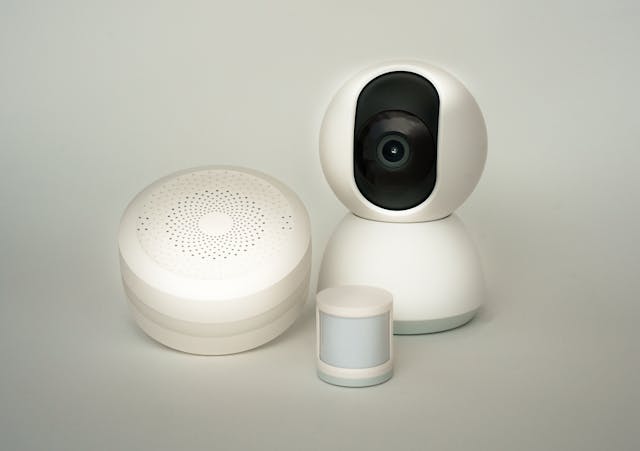
Today, smart home installations demand more than connectivity. They require intelligence. Lighting systems that adjust automatically. Climate controls that learn behavior. Security platforms that detect patterns instead of simply reacting to motion. The shift from basic wiring to intelligent integration is being accelerated by artificial intelligence tools that reshape how homes are designed, installed, and maintained.
For electrical professionals and smart home integrators, AI is not a futuristic add on. It is becoming the backbone of modern residential systems.
Smarter System Design Before Installation Begins
Traditional electrical planning focuses on load calculations, panel capacity, and circuit mapping. While these fundamentals remain essential, AI powered design tools now add another layer of insight.
Advanced planning software can analyze architectural layouts, projected occupancy patterns, and anticipated device usage to recommend optimized system configurations. Instead of relying solely on static assumptions, AI models simulate real world behavior. They forecast energy demand during peak hours, evaluate future expansion potential, and suggest scalable wiring strategies.
This pre installation intelligence reduces costly retrofits. Homes are designed not just for present use but for adaptive growth. Electric vehicle chargers, battery storage, and distributed automation systems are factored in from the beginning rather than patched in later.
Adaptive Energy Management
Smart homes generate and consume energy dynamically. Solar panels produce variable output. Electric vehicles introduce heavy load spikes. HVAC systems fluctuate with weather patterns. Managing this complexity manually is inefficient.
AI driven energy management systems continuously analyze consumption and production. They prioritize loads, shift non essential usage to off peak hours, and optimize battery storage cycles. When solar output increases, excess energy can be stored or redirected intelligently. When grid demand surges, the system can reduce non critical consumption automatically.
For homeowners, this translates into lower utility costs and improved efficiency. For installers, it creates opportunities to design systems that deliver measurable performance rather than static functionality.
Predictive Diagnostics And Maintenance
In traditional systems, electrical issues are often discovered after failure. A breaker trips. A device stops responding. Troubleshooting begins reactively.
AI changes this model. Smart panels equipped with monitoring capabilities can detect irregular voltage patterns, overheating risks, and abnormal load behavior before they escalate. Machine learning algorithms identify deviations from baseline performance and flag potential issues early.
For integrators, this enables proactive service models. Instead of waiting for client complaints, alerts can trigger maintenance visits or remote adjustments. Homes remain stable. Equipment lifespan extends. The installation becomes a continuously optimized ecosystem rather than a fixed structure.
Intelligent Automation Beyond Simple Schedules
Early smart home systems relied heavily on preset schedules. Lights turned on at specific times. Thermostats adjusted according to manual programming. While useful, these systems required constant fine tuning.
AI powered automation learns behavior over time. It recognizes occupancy patterns, adjusts lighting intensity based on daylight conditions, and modifies climate settings according to user preferences. Security systems analyze routine movement and differentiate between normal activity and unusual events.
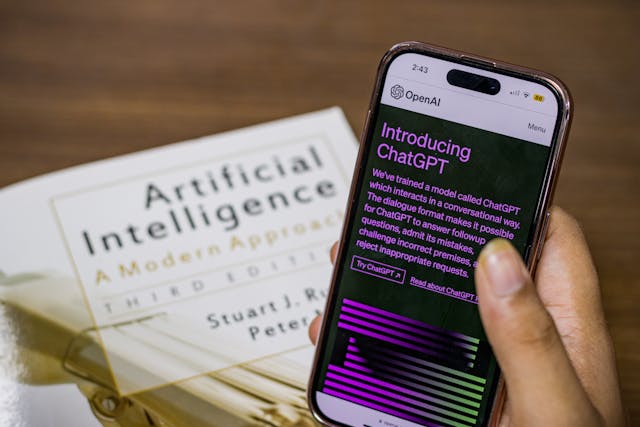
This shift from programmed routines to adaptive intelligence transforms user experience. The home responds organically rather than mechanically. Installers are no longer just connecting devices. They are implementing responsive systems that evolve with the homeowner.
Enhanced Security Through Behavioral Analysis
Smart security once meant cameras and motion sensors. AI introduces behavioral pattern recognition. Systems can distinguish between a package delivery, a familiar vehicle, or unexpected movement at unusual hours.
Facial recognition, anomaly detection, and intelligent alerts reduce false alarms while increasing meaningful detection. Homeowners receive notifications based on context rather than raw sensor triggers.
For smart home professionals, integrating AI based security requires careful calibration and ethical data handling. When implemented responsibly, these systems provide stronger protection with less disruption.
Integration Across Platforms And Devices
Modern homes often contain devices from multiple manufacturers. Lighting, audio, climate, security, and appliances may operate on separate ecosystems. Integration has historically required complex manual configuration.
AI powered hubs and middleware platforms streamline interoperability. They learn device behavior, manage communication protocols, and coordinate responses across systems. When a homeowner arrives, lighting, temperature, and security states can adjust simultaneously based on learned preferences.
This level of integration reduces friction. The smart home becomes cohesive rather than fragmented. For installers, AI simplifies the complexity of multi device coordination.
Personalization At Scale
Each homeowner uses technology differently. Some prioritize energy efficiency. Others focus on entertainment or security. AI tools analyze usage data to personalize system behavior.
Voice assistants learn speech patterns. Lighting systems adapt color temperature based on time and activity. Climate control adjusts to comfort thresholds unique to each user. These refinements occur automatically over time.
From an installation perspective, personalization reduces support calls and increases satisfaction. The system aligns with lifestyle without requiring constant reprogramming.
Ethical And Data Considerations
As AI becomes central to smart home installations, privacy and data security become critical. Systems collect behavioral data to function effectively. Installers must prioritize encrypted communication, secure network configuration, and transparent user consent.
Trust is foundational. Homeowners need confidence that intelligent systems enhance convenience without compromising security. Responsible implementation ensures long term adoption and positive reputation within the industry.
From Infrastructure To Intelligence
Wiring remains essential. Circuits still need careful calculation. Panels must meet safety codes. But wiring alone no longer defines a modern installation.
AI tools elevate smart home systems from reactive utilities to adaptive ecosystems. They optimize energy, anticipate maintenance needs, personalize comfort, and strengthen security. For electrical professionals, the role is evolving from installer to integrator of intelligent environments.
From wiring to intelligence, the transformation is already underway. Homes are becoming systems that think. The professionals who embrace AI driven design and integration will shape the next era of residential living.
Leave a Reply