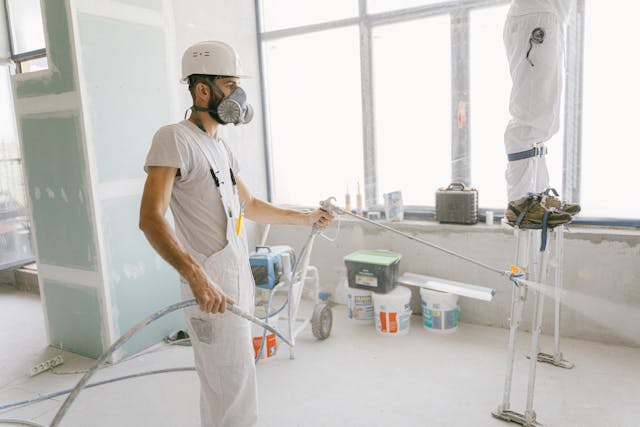
Painting used to be seen as the final cosmetic layer. A finishing touch. Something that happened after the “real work” was done. That perception is shifting fast. In residential and commercial projects alike, painting is becoming data informed, efficiency driven, and strategically planned long before the first coat is applied.
Artificial intelligence is playing a central role in that shift. Not in a flashy, futuristic way, but in practical, measurable ways that affect timelines, budgets, labor allocation, and quality control. Smart painting is less about robots holding brushes and more about systems that think ahead. It is about using predictive tools, digital visualization, and data analysis to eliminate guesswork from a trade that has historically relied on experience alone.
From Visual Guesswork To Data Driven Planning
Color selection once depended heavily on small swatches and imagination. Clients tried to visualize how a tone would look across an entire façade or office interior based on a few inches of painted board. The result was often uncertainty, rework, or mid project changes that increased cost and delay.
AI powered visualization tools are changing that process. By analyzing lighting conditions, room dimensions, and surface textures, intelligent software can simulate highly realistic outcomes before a single gallon is opened. Homeowners can see how natural light will shift a color from morning to evening. Commercial property managers can compare branding palettes across multiple spaces without committing labor or materials. Decisions become clearer, faster, and less emotional because they are grounded in visual data rather than speculation.
This precision reduces material waste and protects project margins. Fewer changes mean fewer delays. Fewer delays mean more predictable schedules. For commercial projects where downtime carries financial consequences, that predictability is significant.
Smarter Estimating And Bidding Processes
Estimating has long been one of the most sensitive phases of painting projects. Underestimate and profit erodes. Overestimate and contracts are lost. Traditional calculations rely on manual measurements, surface assessments, and historical averages.
AI tools now assist by analyzing digital blueprints, drone imagery, or scanned floor plans to calculate surface areas with greater speed and accuracy. These systems factor in surface type, historical labor data, and environmental variables. They generate cost projections that adapt in real time when scope changes.
For residential clients, this translates into clearer quotes and fewer surprise adjustments. For commercial stakeholders, it improves budget forecasting and reduces risk exposure. The bidding process becomes less reactive and more strategic. Contractors can focus on value delivery instead of defensive pricing.
Predictive Maintenance In Commercial Properties
In large commercial buildings, paint is not just aesthetic. It protects surfaces from moisture, corrosion, and environmental wear. Traditionally, repainting schedules have been based on fixed timelines or visible deterioration.
AI driven maintenance platforms are shifting this model toward predictive care. By analyzing building data, weather exposure, material type, and usage patterns, these systems can forecast when specific surfaces are likely to degrade. Instead of waiting for peeling or cracking, property managers can intervene proactively.
This approach reduces long term repair costs and preserves asset value. It also improves safety in environments where surface degradation could create hazards. Smart painting becomes part of a broader facility management strategy rather than a reactive service.
Labor Optimization And Workforce Efficiency
Labor remains one of the most significant variables in both residential and commercial painting. Crew scheduling, job sequencing, and workflow coordination directly impact profitability.
AI powered project management systems analyze past performance data to optimize crew assignments. They can suggest ideal team compositions based on project type, complexity, and timeline. They track productivity metrics and flag inefficiencies early.
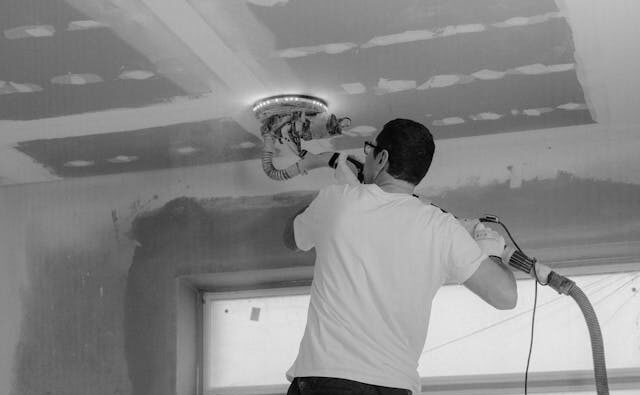
In residential settings, this might mean better coordination between painters and other trades, reducing idle time. In commercial projects, it can translate into phased work schedules that minimize disruption to tenants or operations. The goal is not to replace skilled labor but to amplify it. When data informs deployment, crews work smarter and projects move more smoothly.
Quality Control Enhanced By Machine Vision
Quality control has traditionally depended on manual inspection. Experienced supervisors walk sites, assess finish consistency, and identify defects. While expertise remains critical, AI supported inspection tools are adding another layer of precision.
Machine vision systems can scan surfaces for uneven coverage, color variation, or missed areas. They compare completed sections against predefined standards. In large scale commercial projects, this reduces the likelihood of overlooked imperfections that could require costly rework later.
For residential clients, enhanced quality control builds trust. It signals that attention to detail is not subjective but measured. Over time, this data driven accountability strengthens reputations and differentiates contractors in competitive markets.
Sustainable Material Choices Guided By Data
Sustainability is no longer a niche concern. Both homeowners and commercial property developers are paying closer attention to environmental impact. Low emission materials, durability, and lifecycle cost matter more than ever.
AI tools can evaluate product data, environmental certifications, and historical performance metrics to recommend materials that align with sustainability goals. They can compare durability projections across different climate zones. They can estimate long term maintenance frequency based on exposure conditions.
In commercial developments, where sustainability benchmarks often influence investment decisions, this level of analysis supports compliance and long term planning. In residential projects, it empowers clients to make informed choices that balance health, cost, and longevity.
Enhanced Client Communication Through Digital Platforms
Clear communication is one of the most underestimated components of successful painting projects. Delays, scope misunderstandings, and color disputes often stem from information gaps.
AI integrated platforms centralize communication. They track progress milestones, update timelines automatically, and provide visual documentation of completed stages. Clients can view project status in real time rather than relying solely on periodic updates.
This transparency builds confidence. In residential settings, it reduces anxiety for homeowners navigating renovations. In commercial environments, it ensures stakeholders remain aligned across departments. Communication shifts from reactive explanations to proactive reporting.
The Human Skill Still Matters
Despite these technological advances, painting remains a craft. Surface preparation, brush technique, edge detailing, and finish consistency require trained hands and trained eyes. AI does not eliminate craftsmanship. It supports it.
What is changing is the decision making around the craft. Data reduces uncertainty. Predictive systems reduce inefficiency. Visualization tools reduce misalignment between expectation and outcome. Painters can focus more on execution because planning and analysis are strengthened upstream.
In both residential and commercial projects, this partnership between human expertise and intelligent systems creates a more refined workflow. It protects margins, enhances quality, and elevates the client experience.
A More Strategic Future For The Trade
Smart painting is not about automation replacing tradition. It is about integration. Artificial intelligence brings clarity to planning, precision to execution, and foresight to maintenance. Residential homeowners benefit from better visualization and fewer surprises. Commercial stakeholders gain improved forecasting and asset protection.
As projects grow more complex and expectations rise, the painting industry is evolving alongside them. Those who adopt intelligent tools thoughtfully will not only improve operational efficiency but also redefine how painting is perceived. No longer just a finishing layer, it becomes a strategically managed component of modern construction and property management.
Leave a Reply