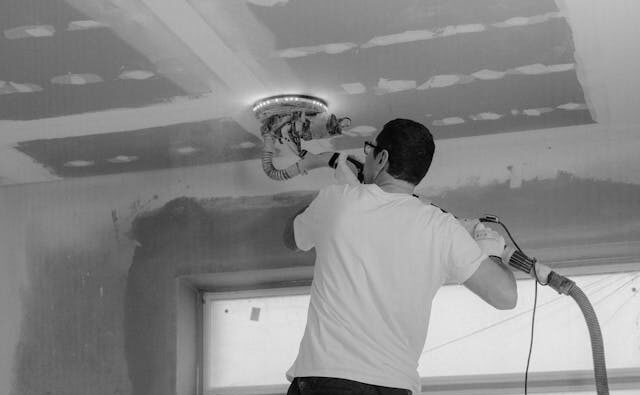
Fire, water, and mold restoration work has always been time-sensitive, detail-heavy, and emotionally charged. Property owners are often dealing with stress, disruption, and uncertainty, while restoration teams must assess damage quickly, prevent further loss, and document everything accurately for insurance and compliance purposes. Traditionally, this process relied heavily on manual inspections, handwritten notes, photos stored across devices, and time-consuming reporting. Today, AI tools are reshaping this workflow from the first assessment to final documentation, making restoration faster, more accurate, and more consistent without removing the human expertise that the industry depends on.
This shift is not about automation for the sake of convenience. It is about reducing delays, minimizing errors, and improving clarity at every stage of the restoration process. When used correctly, AI tools help restoration professionals make better decisions under pressure while improving outcomes for both clients and insurers.
The Growing Complexity of Modern Restoration Projects
Restoration projects have become more complex over time. Building materials vary widely, properties are larger and more customized, and regulatory and insurance requirements are stricter than ever. A water loss in a residential home may involve hidden moisture behind walls, while a commercial fire loss may require coordination across multiple floors, systems, and stakeholders.
At the same time, clients expect faster response times and clearer communication. They want to know what happened, what will be done, and how long it will take. Meeting these expectations using only manual processes puts significant strain on restoration teams. AI tools help manage this complexity by organizing information, identifying patterns, and supporting faster decision-making across the entire project lifecycle.
How AI Improves Initial Damage Assessment
The first and most critical step in any restoration project is damage assessment. Inaccurate or incomplete assessments lead to delays, scope changes, and disputes later on. AI-powered tools support this phase by analyzing images, measurements, and environmental data to assist professionals in identifying the extent of damage more consistently.
For example, AI-assisted analysis can help flag areas likely affected by moisture migration or smoke spread based on known patterns. This does not replace on-site expertise, but it acts as a second layer of validation. Restoration professionals still make final judgments, while AI helps ensure fewer blind spots during the initial evaluation.
Faster and more reliable assessments mean teams can begin mitigation sooner, which reduces secondary damage and improves overall outcomes.
Supporting Moisture Detection and Mold Risk Identification
Water and mold restoration often involve damage that is not immediately visible. Moisture trapped behind walls, under flooring, or within insulation can lead to mold growth if not addressed properly. AI tools help interpret data from moisture readings and environmental conditions to highlight areas of concern.
By comparing current readings with historical patterns, AI systems can assist in identifying where mold risk is highest. This allows restoration teams to prioritize interventions more effectively. Instead of relying solely on intuition or limited spot checks, decisions are supported by data-driven insights that improve accuracy and reduce missed issues.
This approach also supports documentation by clearly linking findings to actions taken, which is critical for both client confidence and insurance review.
Faster, More Structured Scope Development
Once damage is assessed, defining the scope of work becomes the next challenge. Scope creep is common in restoration projects, especially when initial assessments miss underlying issues. AI tools help structure scope development by organizing assessment data into clear categories such as affected materials, required mitigation steps, and follow-up actions.
This structured approach improves internal alignment. Technicians, project managers, and office staff work from the same information set rather than fragmented notes. Clear scopes also help clients understand what will happen next, reducing confusion and unrealistic expectations.
For insurance-driven projects, a well-documented scope supported by data improves approval timelines and reduces back-and-forth communication.
Enhancing Accuracy in Documentation and Reporting
Documentation is one of the most time-consuming aspects of fire, water, and mold restoration. Every step must be recorded clearly to support compliance, billing, and insurance claims. AI tools streamline this process by organizing photos, notes, readings, and timelines into coherent reports.
Instead of manually compiling documents from multiple sources, AI-assisted systems can help structure reports logically and consistently. This reduces the risk of missing information and improves readability for adjusters and reviewers. Accurate documentation also protects restoration companies by creating a clear record of work performed and decisions made.
When documentation is faster and more reliable, teams spend less time on paperwork and more time on actual restoration work.
Improving Communication With Clients and Insurers
Clear communication is critical in restoration projects, yet it is often a challenge. Clients may not understand technical terminology, while insurers require detailed justification for costs and procedures. AI tools help bridge this gap by supporting clearer, more standardized communication.

AI-assisted summaries can translate technical findings into understandable explanations for clients while maintaining the level of detail insurers require. This dual clarity reduces misunderstandings and builds trust. Clients feel informed rather than overwhelmed, and insurers receive consistent documentation that aligns with industry expectations.
Better communication also reduces project delays caused by unanswered questions or unclear approvals.
Reducing Errors and Inconsistencies Across Projects
Human error is unavoidable in high-pressure environments, especially when teams are managing multiple projects simultaneously. AI tools help reduce inconsistencies by standardizing how information is captured and processed. This consistency improves quality control across residential and commercial restoration work.
By learning from past projects, AI systems can highlight common issues such as underreported damage types or frequently missed documentation elements. Over time, this feedback loop helps restoration companies improve internal processes and training, leading to more predictable outcomes.
Consistency is especially valuable for growing companies that want to maintain quality as volume increases.
Supporting Faster Project Timelines Without Cutting Corners
Speed matters in restoration, but speed without accuracy creates long-term problems. AI tools support faster timelines by reducing administrative friction rather than rushing physical work. When assessments, scopes, and documentation are handled more efficiently, crews can focus on mitigation and restoration tasks without unnecessary delays.
This balance allows projects to move forward confidently. Decisions are supported by data, approvals happen faster, and fewer revisions are needed later. Clients benefit from quicker stabilization of their property, and restoration teams benefit from smoother workflows.
The Role of AI in Commercial Restoration Environments
Commercial fire, water, and mold restoration projects often involve larger spaces, higher stakes, and more coordination. AI tools help manage this complexity by tracking multiple zones, timelines, and dependencies within a single project.
For example, AI-assisted planning can help identify which areas must be restored first to minimize business disruption. Documentation across large properties becomes more organized, making it easier to demonstrate compliance and progress to stakeholders.
In these environments, predictability and clarity are competitive advantages. AI tools help restoration firms deliver both.
Maintaining Professional Judgment and Accountability
Despite their benefits, AI tools do not replace professional judgment. Restoration work requires on-site assessment, ethical decision-making, and human accountability. AI supports these responsibilities by providing better information, not by making decisions independently.
Successful restoration companies use AI as a decision-support system rather than a decision-maker. This ensures that technology enhances expertise instead of undermining it. Human oversight remains essential for quality, safety, and client trust.
Long-Term Benefits for Restoration Businesses
Over time, the use of AI tools creates lasting benefits for restoration companies. Processes become more efficient, documentation becomes more defensible, and teams operate with greater confidence. These improvements lead to better margins, reduced stress, and stronger relationships with insurers and clients.
AI-supported workflows also make it easier to train new staff, since systems guide consistency and best practices. This supports sustainable growth without sacrificing quality.
A Smarter Future for Fire, Water, and Mold Restoration
From damage assessment to documentation, AI tools are reshaping how fire, water, and mold restoration projects are handled. They bring speed without sacrificing accuracy and structure without removing human expertise. By supporting better assessments, clearer scopes, and stronger documentation, AI helps restoration professionals deliver better outcomes under challenging conditions.
As the industry continues to evolve, restoration companies that adopt AI tools thoughtfully will be better equipped to handle complexity, meet rising expectations, and operate more efficiently. The future of restoration lies in this collaboration between skilled professionals and intelligent systems, creating faster, more accurate, and more reliable recovery for properties and the people who depend on them.
Leave a Reply