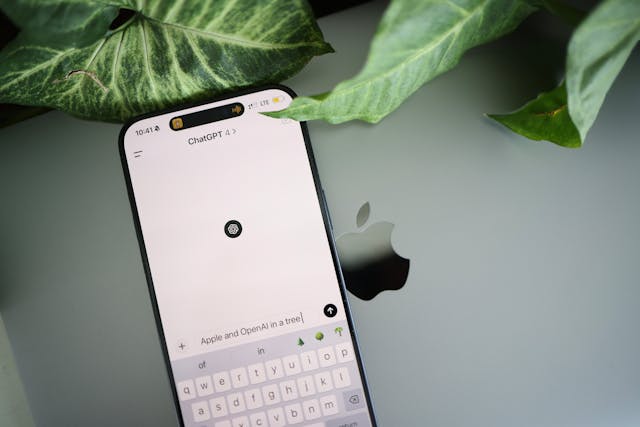
Direct primary care changes the rhythm of patient interaction. Fewer insurance hurdles and a membership model mean patients expect easier access to their physician, quicker replies, and a more personal tone. That expectation creates pressure on small care teams, especially when messages arrive throughout the day and after hours. AI tools have started to fill that gap, not as a replacement for care, but as a support layer that keeps communication steady without overwhelming the practice.
Where Communication Starts to Break Down
Message volume tends to grow once patients realize they can reach their doctor directly. Texts, emails, and portal messages arrive with questions that range from simple medication clarifications to more urgent concerns. A single physician may spend hours sorting through conversations before even addressing them.
Delays frustrate patients, even in practices built on trust. Missed follow-ups or late replies can make patients feel overlooked. Staff members try to keep up, but manual sorting and replying often lead to bottlenecks. That gap between patient expectation and response time creates a clear need for smarter handling of communication.
How AI Tools Fit Into Daily Practice
AI tools work quietly in the background, organizing and assisting rather than taking over. Incoming messages can be categorized automatically, separating routine questions from those that need immediate attention. That simple step saves time and ensures urgent cases are not buried under general inquiries.
Draft responses offer another layer of support. AI systems suggest replies based on the content of the message, allowing physicians to review and adjust before sending. That approach keeps communication accurate while reducing the time spent typing repetitive answers.
Language assistance also helps when patients describe symptoms in vague or informal ways. AI can interpret those messages and present them in clearer terms, making it easier for the physician to respond quickly and appropriately.
Improving Response Time Without Losing the Personal Touch
Speed matters, but tone matters just as much. Patients choose direct primary care because they value personal connection. AI tools can maintain that tone by learning the communication style of the practice. Suggested replies can reflect a warm, conversational voice instead of sounding robotic.
Quick acknowledgments play a key role. Automated messages can confirm receipt of a patient’s question and set expectations for a reply. That small step reduces anxiety and builds trust, even before the physician responds directly.
Follow-up reminders ensure that no conversation fades away. AI can flag unresolved threads and prompt staff to check back with patients, keeping communication active and complete.
Supporting Preventive Care Through Communication
Regular check-ins often fall through the cracks in busy practices. AI tools can identify patients who have not been contacted for a while and suggest outreach. A simple message asking about progress or reminding a patient about a routine check can make a difference in long-term health.

Medication adherence benefits from consistent communication. AI can send reminders or flag patterns where patients may be missing doses based on their messages. That insight helps physicians address issues early.
Health education also becomes easier to deliver. AI systems can recommend relevant information based on patient concerns, allowing the practice to share helpful content without adding extra workload.
Reducing Administrative Strain on Small Teams
Direct primary care practices usually operate with lean teams. Administrative tasks tied to communication can quickly consume time that should go toward patient care. AI tools reduce that burden by handling repetitive work behind the scenes.
Appointment coordination becomes smoother when AI suggests available slots based on patient requests. Staff members no longer need to check schedules manually for every inquiry. Message triaging, response drafting, and follow-up tracking all combine to free up time for more meaningful interactions.
That shift allows physicians to focus on decision-making and patient relationships rather than administrative details. Staff members can also work more efficiently, reducing stress and improving overall workflow.
Privacy and Control in AI-Assisted Communication
Patient data requires careful handling, especially in healthcare settings. AI tools used in direct primary care are designed to operate within secure environments, ensuring that sensitive information remains protected.
Control stays with the physician. AI suggestions are reviewed before being sent, and no response goes out without approval. That balance keeps communication accurate and maintains accountability within the practice.
Patients benefit from consistent and secure communication channels, which strengthens their confidence in the system.
Real-World Use Feels Less Technical Than Expected
Early concerns about AI often focus on complexity. Actual use tends to feel straightforward. A physician checks messages, reviews suggested replies, and sends them with minor adjustments. Staff members rely on automated sorting and reminders without needing to manage the system actively.
A small practice that introduced AI support noticed fewer missed messages within the first few weeks. Response times improved without extending work hours. Patients began to comment on how quickly they received replies, even during busy periods.
Daily routines remain familiar, but the workload becomes more manageable. That subtle shift makes a noticeable difference over time.
Patient Experience Gains Consistency
Consistency matters in communication. Patients appreciate knowing what to expect when they reach out. AI tools help maintain that consistency by ensuring messages are acknowledged, categorized, and addressed in a timely manner.
Clear communication reduces confusion and prevents unnecessary visits. Patients receive guidance sooner, which can resolve minor concerns before they escalate. That steady flow of information supports better outcomes and strengthens the relationship between patient and physician.
A Practical Addition to Modern Care
Direct primary care focuses on accessibility and connection. AI tools support those goals without changing the core model. Communication becomes easier to manage, response times improve, and patients feel heard.
Work in a practice setting quickly shows that communication shapes the entire patient experience. Adding AI support does not replace that human connection. It simply removes friction, allowing physicians to stay focused on care while maintaining strong, reliable communication with every patient.
Leave a Reply