Orthodontics has always combined science, technology, and precision to improve the alignment of teeth and jaws. Over the years, the field has progressed from traditional impressions and manual treatment planning to digital imaging, three-dimensional modeling, and advanced scanning techniques. Today, another major shift is underway as artificial intelligence is becoming an important part of modern orthodontic care and treatment. Rather than replacing orthodontists, AI-powered tools are helping them make more informed decisions, improve efficiency, and deliver a better overall patient experience.
As digital dentistry continues to evolve, orthodontic practices are finding new ways to use intelligent software throughout the treatment journey. From analyzing diagnostic images to predicting tooth movement and supporting treatment planning, AI tools are helping clinicians work with greater accuracy while reducing repetitive manual tasks. Patients also benefit from more personalized treatment recommendations, improved communication, and better visibility into their progress.
The growing role of AI should not be viewed as a replacement for clinical expertise. Successful orthodontic care still depends on professional judgment, hands-on examinations, and an understanding of each patient’s unique oral health needs. AI simply provides another layer of information that can support decision-making and improve consistency throughout the treatment process.
How AI Is Changing Orthodontic Care
Artificial intelligence refers to computer systems that can recognize patterns, analyze large amounts of data, and assist with decision-making based on learned information. In orthodontics, these systems are trained using thousands of clinical cases, digital scans, radiographs, and treatment outcomes. By identifying similarities across these datasets, AI can provide valuable recommendations that support orthodontists during diagnosis and treatment planning.
One of the biggest advantages of AI is speed. Tasks that previously required extensive manual measurements can now be completed in a matter of seconds. This allows orthodontists to spend less time performing repetitive calculations and more time discussing treatment options with patients and focusing on clinical care.
The technology also promotes greater consistency. Since AI evaluates images and measurements using standardized methods, it can help reduce variation between assessments. While every treatment decision ultimately belongs to the orthodontist, having reliable digital assistance can improve confidence in complex cases.
AI-Assisted Diagnosis Improves Early Assessment
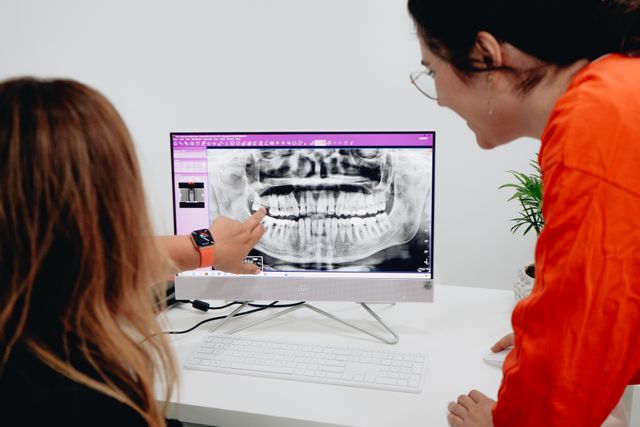
A successful orthodontic treatment plan begins with a thorough diagnosis. Traditionally, orthodontists evaluate photographs, digital scans, panoramic radiographs, cephalometric images, bite relationships, and clinical examinations before developing a treatment strategy. AI tools now assist by processing these diagnostic records quickly while highlighting important anatomical landmarks.
Modern algorithms can automatically identify teeth, measure jaw relationships, evaluate spacing or crowding, and recognize potential alignment issues. Instead of manually locating every landmark on an image, clinicians receive an organized analysis that serves as a valuable starting point for their evaluation.
Early detection also becomes more efficient. AI systems may identify subtle patterns that suggest developing bite problems or skeletal discrepancies before they become more severe. Earlier intervention can sometimes simplify treatment and reduce future complications.
Although AI contributes valuable insights, orthodontists continue to verify every finding. Clinical experience remains essential because factors such as facial aesthetics, patient expectations, oral health, growth patterns, and lifestyle cannot be fully understood through software analysis alone.
Smarter Treatment Planning Through Predictive Analysis
Planning orthodontic treatment involves much more than deciding how teeth should move. Orthodontists must consider biomechanics, bone support, facial balance, treatment duration, patient cooperation, and long-term stability. AI tools help organize these variables by analyzing historical treatment data and predicting likely outcomes.
Predictive modeling allows clinicians to compare different treatment approaches before beginning active care. Software may estimate how teeth are expected to move over time, identify possible treatment challenges, or highlight areas that require closer monitoring. This information helps orthodontists refine treatment plans before the first appliance is placed.
Because AI continuously evaluates digital records, adjustments can also be made throughout treatment if progress differs from expectations. Rather than relying solely on periodic manual assessments, clinicians have access to additional data that supports timely decision-making.
Patients often appreciate this level of planning because visual simulations make treatment easier to understand. Seeing projected tooth movement helps individuals better understand why certain procedures or appliances may be recommended.
Digital Monitoring Creates More Efficient Follow-Up Care
Orthodontic treatment often requires multiple appointments over many months or even years. AI-supported monitoring systems are helping practices improve the way patient progress is tracked between office visits.
Digital photographs or scans can be compared against planned tooth movements to evaluate whether treatment is progressing as expected. If differences appear, the orthodontist can review the findings and determine whether adjustments should be made sooner rather than later.
This type of monitoring can be particularly valuable for patients with busy schedules or those who live farther from the orthodontic office. Instead of waiting until the next routine appointment to identify an issue, clinicians may receive earlier indications that additional evaluation is needed.
Remote monitoring does not eliminate the need for in-person visits. Procedures such as appliance adjustments, examinations, and certain clinical evaluations still require direct care. However, AI-assisted monitoring can make follow-up appointments more purposeful by helping prioritize patients who need additional attention.
Improving Patient Compliance
Successful orthodontic treatment depends heavily on patient cooperation. Wearing removable appliances as instructed, maintaining good oral hygiene, and following dietary recommendations all contribute to positive outcomes.
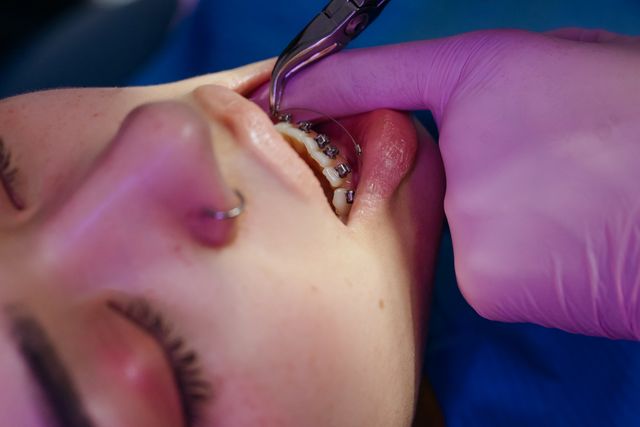
AI-supported monitoring systems may assist by identifying missed wear patterns, unexpected tooth movement, or other indicators that suggest treatment is not progressing as planned. This allows orthodontists to have more informed conversations with patients about improving compliance before significant delays occur.
Patients also benefit from receiving regular feedback about their progress. Visual comparisons over time can reinforce good habits and help maintain motivation throughout lengthy treatment plans.
AI Supports More Personalized Orthodontic Care
Every orthodontic patient presents a different combination of dental alignment, facial structure, growth potential, oral health status, and treatment goals. AI helps organize these individual factors so treatment recommendations can become increasingly personalized.
Instead of applying generalized assumptions, intelligent software analyzes the patient’s specific measurements and compares them with similar clinical situations. This supports treatment plans that are tailored to each individual’s anatomy and expected response.
Personalization also extends to communication. Digital treatment simulations, estimated timelines, and visual progress tracking make consultations easier for patients to understand. When individuals clearly see how treatment is expected to progress, they often feel more confident about their decisions.
Even with these technological advances, personalized care continues to depend on conversations between orthodontists and patients. Preferences regarding appearance, comfort, scheduling, and long-term goals remain essential parts of every treatment decision.
Benefits for Orthodontists and Patients
The adoption of AI tools creates advantages for both providers and patients. Orthodontists gain access to faster image analysis, improved workflow efficiency, enhanced treatment planning support, and better organization of digital records. These efficiencies reduce administrative burdens while allowing more time for direct patient interaction.
Patients experience benefits through shorter diagnostic processes, clearer treatment explanations, more accurate progress monitoring, and potentially fewer unexpected delays during treatment. Improved visualization also helps reduce uncertainty because patients better understand what to expect throughout each phase of care.
Another important advantage involves consistency. Standardized digital analysis helps ensure that measurements and evaluations are performed using repeatable methods. Although professional judgment remains the deciding factor, consistent data contributes to better-informed clinical decisions.
As practices continue adopting digital workflows, AI also helps integrate information from various imaging and scanning technologies into a unified treatment planning process. This creates a more connected clinical experience from the initial consultation through final retention.
Challenges and Ethical Considerations
While AI offers numerous advantages, it also introduces important responsibilities. Patient privacy remains a significant concern because orthodontic records contain sensitive medical information. Practices using AI-supported systems must maintain appropriate security measures to protect digital records and comply with healthcare privacy requirements.
Another consideration involves data quality. AI systems are only as reliable as the information used to train them. If datasets lack diversity or contain inaccuracies, recommendations may not perform equally well across every patient population. Continuous validation and professional oversight remain essential.
Orthodontists must also avoid becoming overly dependent on automated recommendations. AI provides support rather than certainty. Clinical findings, patient history, oral health conditions, growth patterns, and professional judgment should always guide final treatment decisions.
Transparency is equally important. Patients should understand when digital technologies contribute to their care and recognize that qualified orthodontists remain responsible for diagnosis, treatment planning, and clinical management.
The Future of AI in Orthodontic Treatment
Artificial intelligence will likely continue expanding throughout orthodontics as digital technologies become more sophisticated. Future systems may provide even more accurate predictions of tooth movement, enhanced treatment simulations, improved identification of treatment risks, and better integration with digital imaging technologies.
Machine learning models are also expected to improve as larger and more diverse clinical datasets become available. This ongoing refinement could increase diagnostic accuracy while helping orthodontists manage increasingly complex cases with greater confidence.
Future developments may also improve patient education. Interactive treatment simulations, personalized progress forecasting, and intelligent communication tools could help patients remain engaged throughout their orthodontic journey. Better understanding often leads to stronger cooperation, which can contribute to successful treatment outcomes.
Despite these technological advances, the role of skilled orthodontists will remain central. AI cannot replace clinical examinations, hands-on procedures, or the professional judgment required to balance function, aesthetics, patient expectations, and long-term oral health.
Conclusion
Artificial intelligence is becoming an increasingly valuable component of modern orthodontic care and treatment. From faster diagnosis and more efficient treatment planning to digital monitoring and personalized patient communication, AI tools are helping orthodontists deliver more informed, efficient, and patient-focused care.
Rather than replacing clinical expertise, these technologies strengthen the decision-making process by providing additional insights based on extensive clinical data. Orthodontists continue to interpret findings, develop customized treatment plans, perform procedures, and guide patients throughout every stage of care.
As research and digital innovation continue to advance, AI will likely become even more integrated into everyday orthodontic practice. When combined with experienced clinical judgment, patient-centered communication, and evidence-based treatment principles, intelligent technology has the potential to make orthodontic care more precise, efficient, and accessible while continuing to prioritize healthy, confident smiles.
Leave a Reply