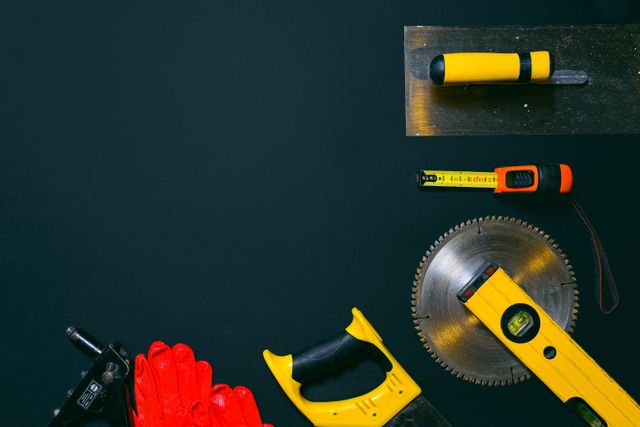
Industrial businesses depend on reliable equipment, well-managed supplies, and efficient maintenance processes to keep daily operations running smoothly. When a machine breaks down, a tool goes missing, or an essential component is unavailable, even a small issue can interrupt production and increase operating costs. Artificial intelligence (AI) is beginning to change how businesses manage these challenges. By analyzing equipment data, monitoring inventory, and supporting maintenance planning, AI can help companies identify potential problems earlier and make better use of the resources they already have. Its growing role in industrial operations offers practical opportunities to reduce downtime, improve equipment performance, and strengthen everyday decision-making.
Predicting Equipment Problems Before They Cause Downtime
Unexpected machinery failures are among the most disruptive challenges in industrial environments. A damaged component can stop an entire production line, delay scheduled work, and require expensive emergency repairs. Traditional maintenance often relies on fixed service intervals or action taken after an issue becomes noticeable. AI offers another approach by helping businesses identify warning signs before equipment stops working.
AI-powered monitoring systems can analyze information such as operating temperatures, vibration levels, pressure changes, and equipment performance. By comparing current readings with historical patterns, these systems may identify unusual behavior that suggests a developing fault. Maintenance teams can then investigate the equipment and arrange repairs before the problem becomes more serious.
This approach is commonly associated with predictive maintenance. Rather than servicing every machine according to the same schedule, businesses can use equipment data to prioritize attention where it is most needed. Although predictions are not always accurate, they can give maintenance teams valuable information for planning inspections and reducing avoidable interruptions.
Making Industrial Tool and Supply Management More Efficient
Industrial operations require a steady supply of tools, spare parts, consumables, and maintenance materials. Poor inventory management can create problems when employees cannot find the equipment they need or when essential supplies run out unexpectedly. Excess stock can also occupy valuable storage space and tie up money that could be used elsewhere.
AI can support inventory management by analyzing purchasing history, usage patterns, seasonal demand, and current stock levels. This information can help businesses estimate which supplies are likely to be needed and when they should be reordered. Automated alerts can also notify managers when inventory approaches a minimum level, reducing the risk of shortages.
Tool management can benefit from similar systems. Digital tracking records can show where equipment is stored, which departments use it, and when it was last inspected or returned. When combined with AI-based analysis, these records may help managers identify frequently misplaced tools, underused equipment, and recurring purchasing requirements. Better visibility makes it easier to manage resources without relying entirely on manual checks.
Improving Maintenance Planning Through Data Analysis
Maintenance teams often manage several machines, repair requests, and inspection schedules at the same time. Without clear priorities, urgent issues may compete with routine servicing, making it difficult to allocate technicians and resources effectively. AI can help organize this workload by analyzing equipment condition, maintenance history, reported faults, and operational priorities.
For example, a system may identify machinery that has experienced repeated faults or show that certain components require replacement more frequently than expected. Maintenance managers can use this information to decide which equipment needs immediate attention and which tasks can be scheduled during planned downtime. This can improve coordination between maintenance and production departments.
AI-assisted scheduling can also help businesses plan the availability of technicians, tools, and replacement parts. When the required resources are arranged before maintenance begins, repair work may be completed with fewer delays. Human supervision remains important, particularly when safety, production requirements, and complex technical decisions are involved.
Reducing Waste and Controlling Industrial Operating Costs
Equipment downtime is only one source of unnecessary industrial spending. Poor purchasing decisions, excessive stock, unused tools, and repeated component failures can also increase operating costs. AI can help businesses examine these patterns and identify areas where resources are not being used effectively.
Inventory analysis can reveal supplies that remain unused for long periods or materials that are repeatedly purchased in quantities larger than necessary. Managers can review this information when adjusting purchasing schedules and setting stock levels. This may reduce storage expenses, limit waste, and improve the availability of frequently needed items.
AI can also help identify equipment that requires repeated repairs. By reviewing maintenance records and operating data, businesses may recognize machines that are becoming increasingly expensive to maintain. This information can support decisions about refurbishment, replacement, or changes to operating procedures. The goal is not simply to spend less on repairs but to make informed decisions that protect long-term equipment value.
Supporting Better Decisions With Real-Time Equipment Monitoring
Industrial managers need accurate information to understand what is happening across production areas, workshops, and storage facilities. When information is scattered across paper records, spreadsheets, and separate maintenance systems, identifying problems can take additional time. AI-supported monitoring can bring relevant information together and help managers recognize important changes more quickly.
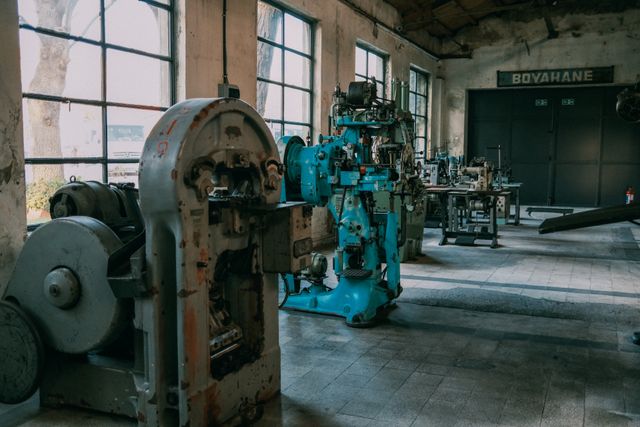
Connected sensors and industrial monitoring systems can collect information about machine performance, operating conditions, and production activity. AI tools can analyze these readings and highlight unusual patterns that may require investigation. Managers can use alerts and performance reports to understand which machines are operating normally and which may need attention.
This visibility can improve communication between maintenance teams, production supervisors, and management. Instead of relying only on occasional reports, teams can work with more current information when planning tasks and responding to faults. However, reliable monitoring depends on accurate data, suitable sensors, and systems that are properly maintained.
Improving Employee Productivity With AI-Assisted Workflows
Industrial employees often lose valuable time searching for tools, checking stock availability, reviewing maintenance records, or waiting for repair instructions. These activities may appear minor individually, but repeated delays can affect overall productivity. AI can help reduce some of this administrative work by organizing information and making routine processes easier to manage.
For instance, employees may use digital systems to submit equipment fault reports, check the availability of spare parts, or review maintenance instructions. AI-powered tools can categorize requests, direct them to the appropriate department, and identify recurring issues in submitted reports. This can help supervisors organize workloads and respond more consistently.
AI can also support access to technical information. Maintenance workers may use approved digital assistants to locate relevant equipment documentation, review troubleshooting procedures, or retrieve previous repair records. Such tools can make information easier to access, but technicians must still verify instructions and follow approved safety procedures. AI should assist skilled employees rather than replace their technical judgment.
The Role of AI in Improving Industrial Safety
Equipment condition and workplace safety are closely connected. Poorly maintained machinery, damaged tools, and unexpected equipment failures can expose employees to serious hazards. AI-supported monitoring may help businesses identify certain conditions that require attention before they lead to accidents or operational problems.
For example, monitoring systems may detect unusual vibration, excessive heat, or changes in machine performance. These alerts can prompt maintenance teams to inspect equipment and determine whether it is safe to continue operating. In facilities with connected safety systems, AI may also help identify patterns in incident reports and highlight areas where additional inspections or training could be useful.
However, AI cannot guarantee a safe workplace. Physical inspections, employee training, protective equipment, and established safety procedures remain essential. Businesses should treat AI-generated warnings as additional information that supports established safety practices, not as a replacement for professional assessments or mandatory inspections.
Overcoming Challenges When Introducing AI Into Industrial Operations
Although AI offers several potential benefits, introducing it into an industrial environment requires careful planning. Older machinery may not have the sensors or digital connections needed for advanced monitoring. Businesses may also have equipment records spread across different systems, making it difficult to collect reliable information in one place.
Data quality is another important consideration. If maintenance records are incomplete or inventory information is inaccurate, AI-generated recommendations may be less useful. Companies need to establish consistent recordkeeping procedures and ensure that employees understand how to update and use digital systems.
Cost and employee readiness should also be considered. Businesses do not necessarily need to introduce advanced AI across every department at once. Starting with a specific problem, such as tracking frequently used tools or monitoring critical machinery, can provide a practical way to assess its value. Training, system testing, and regular performance reviews can help ensure that the technology supports actual operational requirements.
Building More Reliable Industrial Operations With AI
AI is changing the way industrial businesses approach equipment maintenance, inventory management, and daily planning. By identifying unusual machine behavior, forecasting supply requirements, and organizing maintenance information, it can help companies reduce avoidable delays and make better use of available resources. These improvements can support more dependable production schedules and more controlled operating expenses.
The greatest benefits come when AI is introduced as part of a wider operational strategy. Businesses still need qualified technicians, organized tool storage, reliable suppliers, accurate inventory records, and regular equipment inspections. Technology can strengthen these activities by providing useful information, but successful implementation depends on people making informed decisions and following consistent procedures.
As industrial operations become more connected, companies that combine skilled employees with effective AI-supported systems may find it easier to manage equipment, control supplies, and respond to maintenance needs. A practical approach to AI adoption can help businesses move away from constant emergency responses and toward more organized, reliable, and productive operations.
Leave a Reply