Blog

  • Precision in Every Coat: How Artificial Intelligence Is Redefining Painting for Homes and Businesses

    Precision in Every Coat: How Artificial Intelligence Is Redefining Painting for Homes and Businesses

    Artificial intelligence is rapidly transforming industries once considered purely manual, and painting is no exception. Both residential and commercial painting are being reshaped by intelligent tools that merge craftsmanship with computation. From predictive color design to automated application systems, AI is improving accuracy, speed, and customization in ways that were unimaginable a decade ago. The paintbrush and roller are no longer the only instruments of precision—data and algorithms are now part of the palette.

    The Rise of AI in the Painting Industry

    AI first entered the painting field through digital color analysis and visualization, but its role has since expanded dramatically. Modern systems can now assess lighting conditions, detect imperfections, calculate optimal paint volumes, and even predict surface reactions before work begins. What was once a craft driven solely by human intuition is now enhanced by measurable precision.

    In both homes and large commercial projects, this transformation means fewer errors, less waste, and more consistent finishes. AI assists contractors and designers in creating spaces that are not only aesthetically pleasing but scientifically optimized for durability and performance. As the technology matures, painting is becoming more predictive, data-driven, and environmentally conscious.

    Intelligent Color Selection and Design Optimization

    Choosing a color has always been a balance of emotion and experience, but AI is making it a data-informed process. Algorithms can now analyze environmental light, existing furniture, and even psychological preferences to recommend shades that suit both mood and function. These systems learn from patterns across thousands of designs, predicting which tones work best in certain contexts—such as productivity-enhancing colors for offices or calming hues for bedrooms.

    Homeowners can preview these choices through augmented reality apps that show exactly how a shade will appear under real lighting conditions. In commercial settings, AI tools allow designers to create entire building color schemes that balance branding, energy efficiency, and long-term maintenance needs. The result is design intelligence that transforms subjectivity into measurable success.

    AI-Powered Surface Analysis and Preparation

    Surface preparation is the foundation of any successful paint job, and it’s an area where AI excels. Using machine vision, AI-enabled scanners can inspect walls, detect cracks or uneven textures, and recommend corrective treatments before painting begins. These systems analyze minute variations that may not be visible to the human eye, ensuring every coat adheres perfectly.
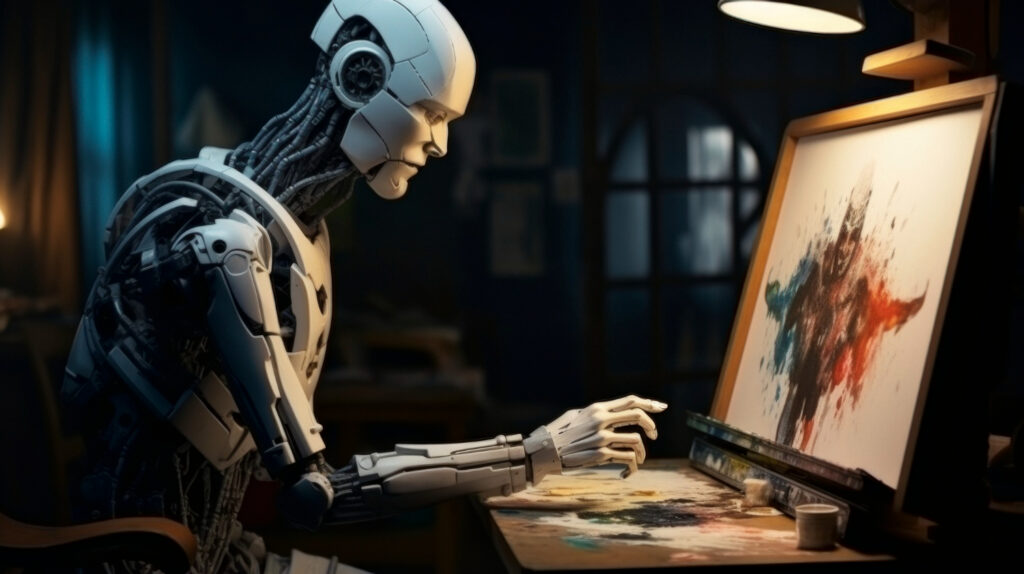
    AI-Powered Surface Analysis

    For large-scale projects such as offices or industrial spaces, AI-based drones can conduct detailed inspections of exterior walls or ceilings. They generate 3D surface maps and identify areas needing special attention, improving safety and reducing time spent on manual scaffolding. This precision-oriented approach ensures a flawless base for the layers that follow.

    Automation and Robotic Application

    Robotics are taking painting efficiency to new heights. AI-guided robots equipped with sensors and sprayers can now perform consistent, uniform coatings on surfaces of varying shapes and sizes. They adjust spray pressure, angle, and distance in real time based on surface feedback. In residential projects, these systems can handle ceilings, exteriors, and hard-to-reach spaces with exceptional accuracy.

    For commercial and industrial painting, robotic automation reduces downtime and eliminates human exposure to hazardous environments. The machines can work continuously and predict maintenance schedules through performance tracking. Rather than replacing painters, this technology complements them—handling the repetitive and high-risk tasks so human experts can focus on quality control and artistic detailing.

    Predictive Maintenance and Long-Term Care

    AI’s most transformative role might be in predictive maintenance. Smart sensors integrated into coatings or building systems can monitor humidity, temperature, and paint condition over time. By analyzing this data, AI can forecast when repainting or touch-ups will be required, preventing costly deterioration.

    For business facilities, predictive maintenance translates into budget efficiency and uninterrupted operation. For homeowners, it ensures lasting beauty and protection without frequent intervention. This data-driven approach extends paint lifespan, supports sustainability goals, and shifts painting from a reactive process to a proactive one.

    Sustainable Formulations and Eco-Friendly Practices

    Artificial intelligence is also helping develop paints that are safer for both people and the planet. Through machine learning, researchers can model chemical interactions to design low-VOC, biodegradable, and longer-lasting formulations. AI helps predict how pigments and binders behave in different climates, leading to smarter product development.
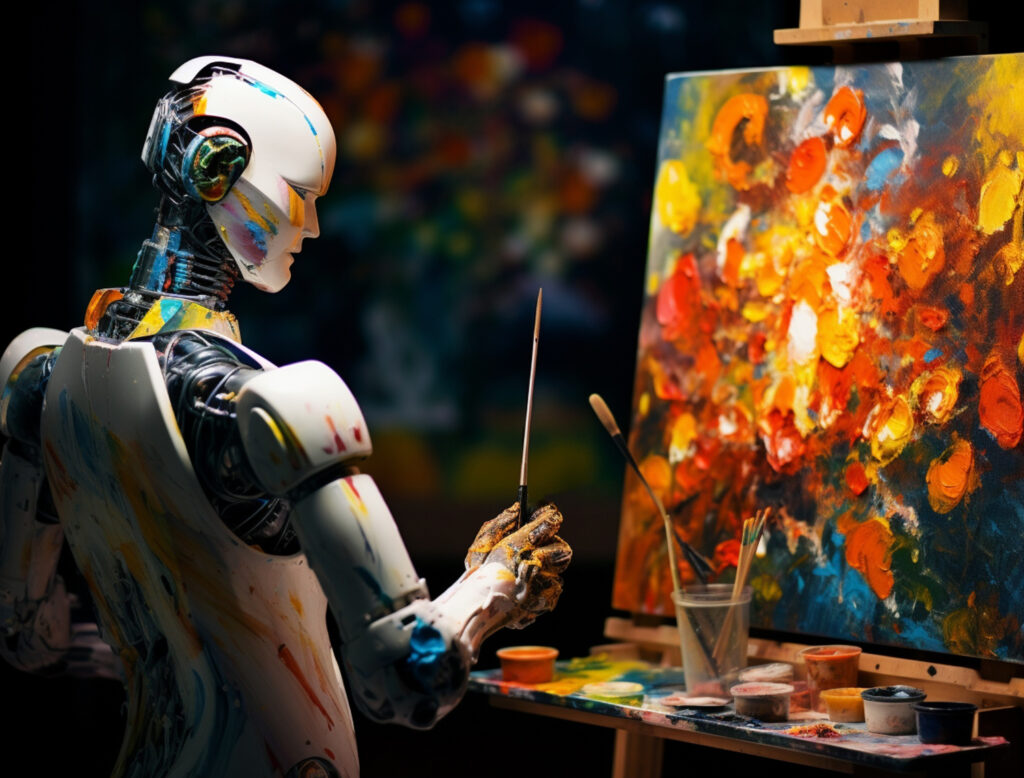
    Eco-Friendly Practices

    For painters, this means using materials that deliver high performance with minimal environmental impact. Automated systems can calculate the precise quantity of paint needed, reducing leftover waste. By merging digital precision with green chemistry, AI is enabling a future where quality and sustainability coexist effortlessly.

    Smart Color Matching and Consistency Control

    Color matching has long been one of the biggest challenges in painting. Even small deviations can ruin the aesthetic of an entire project. AI-driven scanners and spectrophotometers can now analyze any surface and replicate its color to near-perfect accuracy. These systems learn from data libraries that include millions of shades, ensuring seamless consistency across rooms or entire buildings.

    Commercial painters especially benefit from this level of control, as brand identity often depends on strict color accuracy. AI ensures that every coat looks identical, whether applied today or a year from now. By integrating these tools into mobile devices, painters can achieve flawless uniformity with just a scan and a tap.

    Virtual Planning and Augmented Reality in Painting

    The integration of AI with augmented reality has revolutionized how clients experience color before committing. Designers and contractors can upload a room or building image and apply virtual paint with real-world accuracy. These systems simulate texture, lighting, and material reflection, offering a preview that traditional swatches could never provide.

    For residential clients, this creates confidence and creativity in decision-making. For commercial clients, it speeds up approval processes and minimizes costly revisions. Virtual design powered by AI eliminates uncertainty, making the painting process both more transparent and collaborative.

    AI-Enhanced Quality Assurance

    Even after the paint is applied, AI continues to ensure precision. Computer vision systems can inspect walls for uniformity, thickness, and defects, comparing real results to digital standards. These tools detect micro-variations invisible to the human eye, guaranteeing the professional finish that clients expect.

    Painters can use handheld scanners or drones to validate results in real time, receiving feedback that improves future performance. This digital quality control raises industry standards by combining artistry with analytical validation, ensuring that every project meets measurable benchmarks of excellence.

    The Evolving Role of Painters and Contractors

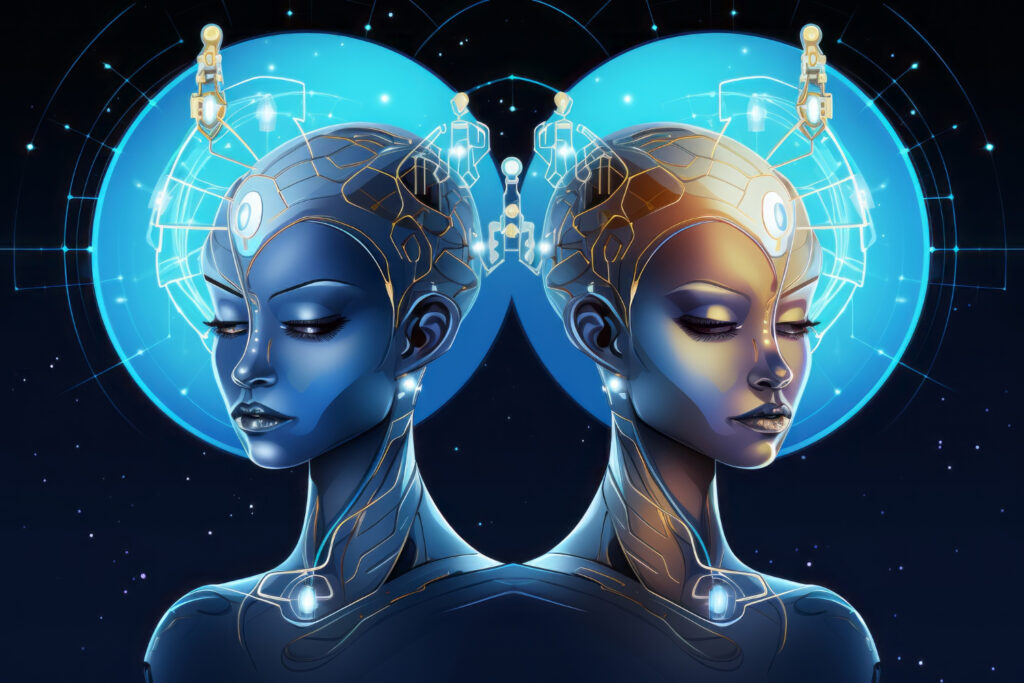
    AI is not eliminating the need for skilled painters—it’s redefining their expertise. The painter of the future will need to understand not only brushes and rollers but also sensors, software, and data interpretation. This new skill set will create professionals who are both artisans and technicians, blending creativity with precision.
    Role of Painters

    For contractors, AI-driven tools streamline management, scheduling, and cost estimation. Digital platforms can analyze project scope, calculate timelines, and optimize resource allocation automatically. The result is a more efficient workflow where decision-making is informed by data and outcomes are consistently high-quality.

    The Future of AI-Driven Painting

    As artificial intelligence continues to evolve, the possibilities for innovation in painting are nearly limitless. Imagine coatings that adapt to changing temperatures, walls that monitor air quality, or paints that adjust hue based on mood and lighting. These concepts are no longer distant ideas—they’re active research areas powered by AI.

    In both residential and commercial settings, the intersection of technology and artistry is creating an entirely new standard for precision and personalization. Painting is no longer just about color—it’s about connection, efficiency, and intelligence woven into every layer. AI is turning walls into smart surfaces and transforming painters into future-focused professionals.

    Conclusion: Where Technology Meets Art

    Artificial intelligence has brought painting into a new era of precision and performance. From selecting the perfect color to applying the final coat, every step can now be guided by insight and automation. The blend of human creativity and machine intelligence ensures results that are more accurate, sustainable, and beautiful than ever before.

    In homes, it means flawless finishes and lasting value. In businesses, it means speed, scalability, and visual harmony. The future of painting will be defined not just by color but by the intelligence that powers every stroke—a future where every coat is a masterpiece of precision, powered by AI.
  • Smart Fitness: How AI Tools Are Redefining Personal Training and Workout Optimization

    Smart Fitness: How AI Tools Are Redefining Personal Training and Workout Optimization

    Personal training has always been about helping people reach their physical potential, but the tools and methods used to achieve that goal are changing rapidly. The rise of artificial intelligence is ushering in a new era of “smart fitness,” where data-driven insights, adaptive algorithms, and real-time feedback are transforming how trainers design, monitor, and optimize workouts. AI isn’t just improving efficiency—it’s reshaping the very nature of what it means to train, recover, and perform.

    The Evolution from Manual Coaching to Intelligent Systems

    Traditional fitness coaching relied on human intuition, observation, and trial-and-error adjustments. Trainers would track progress manually and modify programs based on subjective feedback. While effective to a degree, this process was often limited by time, experience, and guesswork. Artificial intelligence has eliminated many of these constraints by offering precise analysis and instant adjustments. AI systems can collect and process large amounts of data—heart rate, movement speed, oxygen use, even emotional tone—and convert it into clear, actionable insights for trainers and clients alike. These insights allow every session to be optimized with surgical precision.

    This shift doesn’t make the human trainer obsolete—it elevates their role. Instead of spending hours logging progress or recalculating training loads, trainers can focus on weight management, strategy, motivation, and relationship-building. The technology handles the technical work while the trainer brings empathy, creativity, and human understanding to the process. Together, they form a partnership that delivers results faster and more intelligently than ever before.

    Personalized Training Through Predictive Algorithms

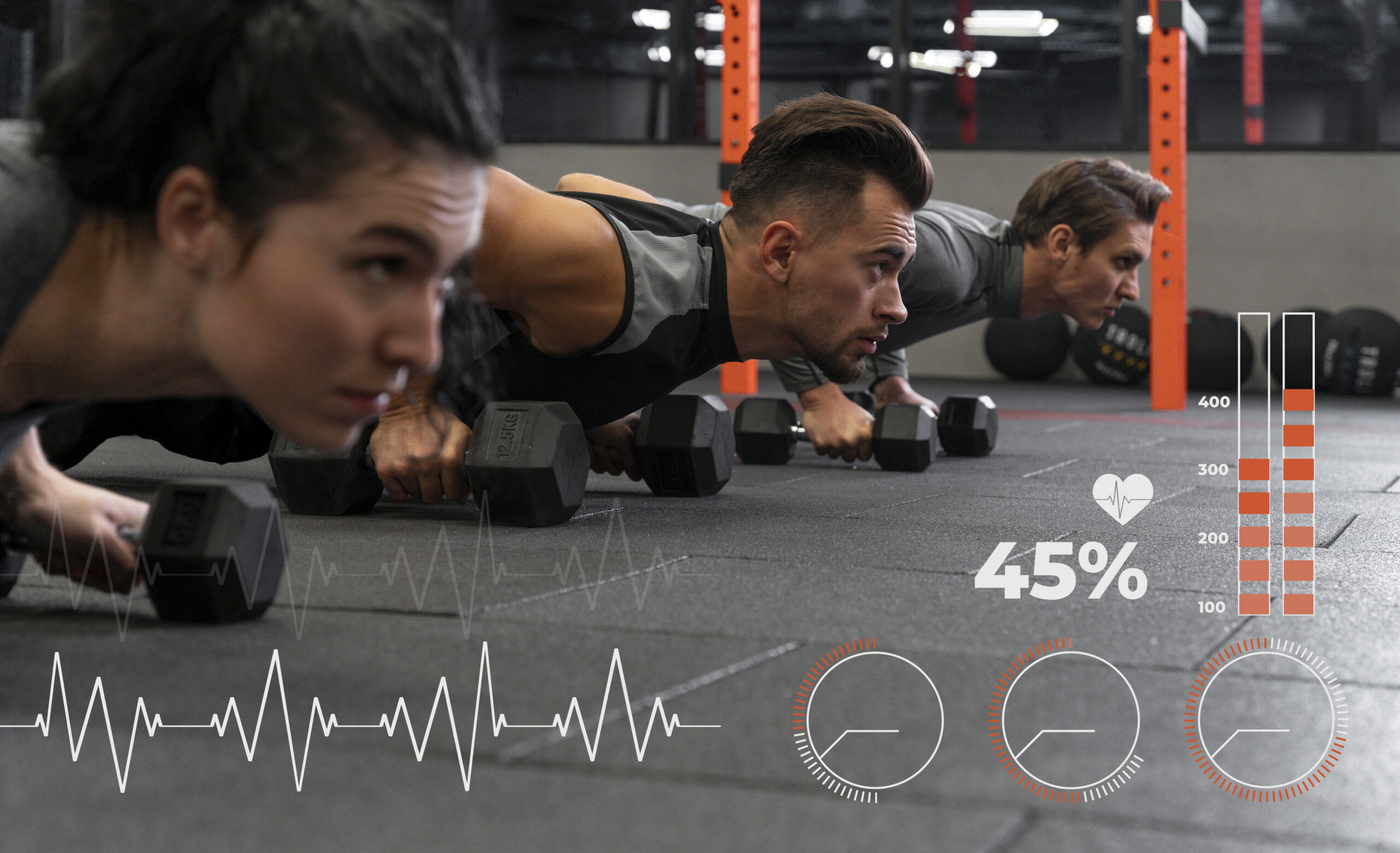
    The days of one-size-fits-all training programs are quickly fading. AI-powered systems can learn from each individual’s performance patterns, recovery rates, and physical responses to different workouts. These algorithms adapt continuously, predicting what an athlete needs before they even realize it themselves. If fatigue levels are high or recovery is incomplete, the AI can recommend lighter activity or restorative exercises to prevent overtraining. If a client’s progress slows, it can automatically adjust volume, intensity, or rest times.

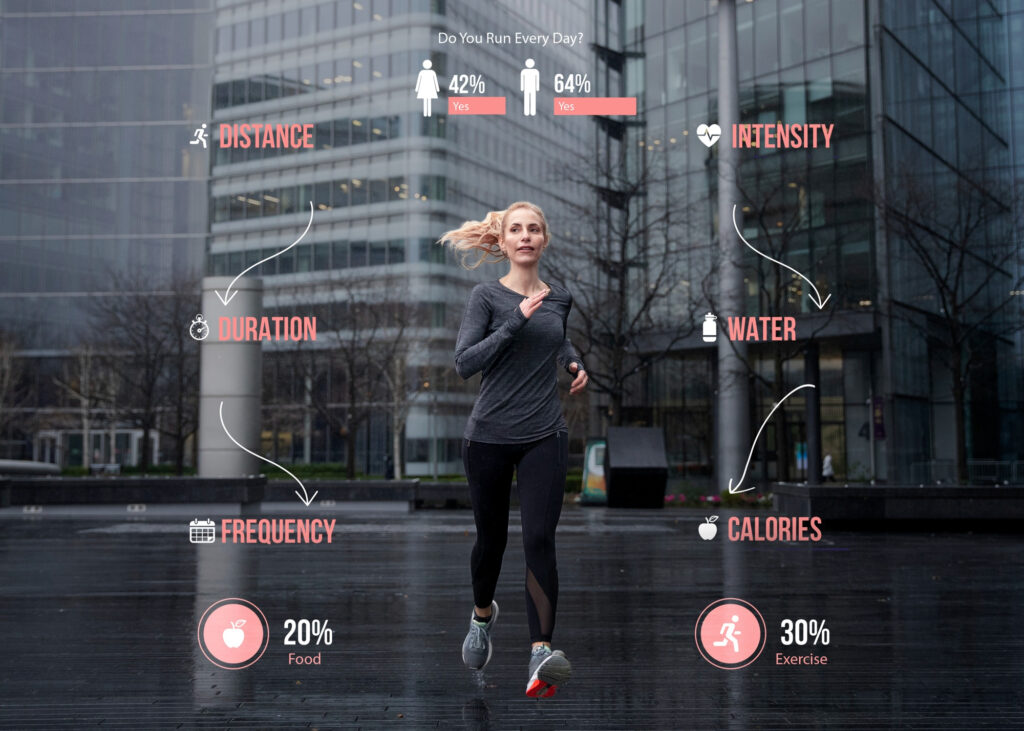
    Personalize Training

    This level of personalization turns every training plan into a living system—constantly learning and evolving. Trainers gain access to detailed dashboards showing each client’s readiness, energy levels, and long-term trends. It allows them to make evidence-based decisions that maximize performance while minimizing risk. For clients, this means workouts that feel perfectly tailored, efficient, and responsive to their real-time condition rather than static routines on a piece of paper.

    AI in Motion and Technique Analysis

    One of the most exciting frontiers of AI in fitness is movement recognition and biomechanical analysis. Cameras, sensors, and smart devices can now track joint angles, movement speed, and posture in real time. The system then compares these patterns against ideal movement models and provides instant corrective feedback. This eliminates the guesswork of whether a client’s form is right or wrong.

    Trainers can use this data to pinpoint inefficiencies and prevent injuries before they occur. For instance, if a client’s squat depth shortens over time, the AI can flag reduced mobility or early fatigue. If posture drifts during a plank, the system can alert both the client and trainer. This level of precision is revolutionizing how technique is taught and maintained. It’s like having a biomechanist embedded into every session—accurate, immediate, and consistent.

    The Role of Wearables and Smart Devices

    Wearables are at the heart of smart fitness. From smartwatches and heart monitors to motion-tracking suits, these devices feed data into AI systems that analyze everything from heart rate variability to caloric burn. The difference today is not just in data collection but in data interpretation. AI can integrate information from multiple sensors and interpret the bigger picture—how well the client is adapting, whether recovery is sufficient, or when performance peaks.

    For personal trainers, this creates a 24/7 feedback loop. They can monitor a client’s performance, sleep quality, and stress levels remotely, making proactive adjustments to their plans. Clients benefit from continuous guidance rather than once-a-week corrections. This constant connectivity builds accountability, boosts motivation, and keeps progress consistent even outside the gym.

    Smart Recovery and Performance Longevity

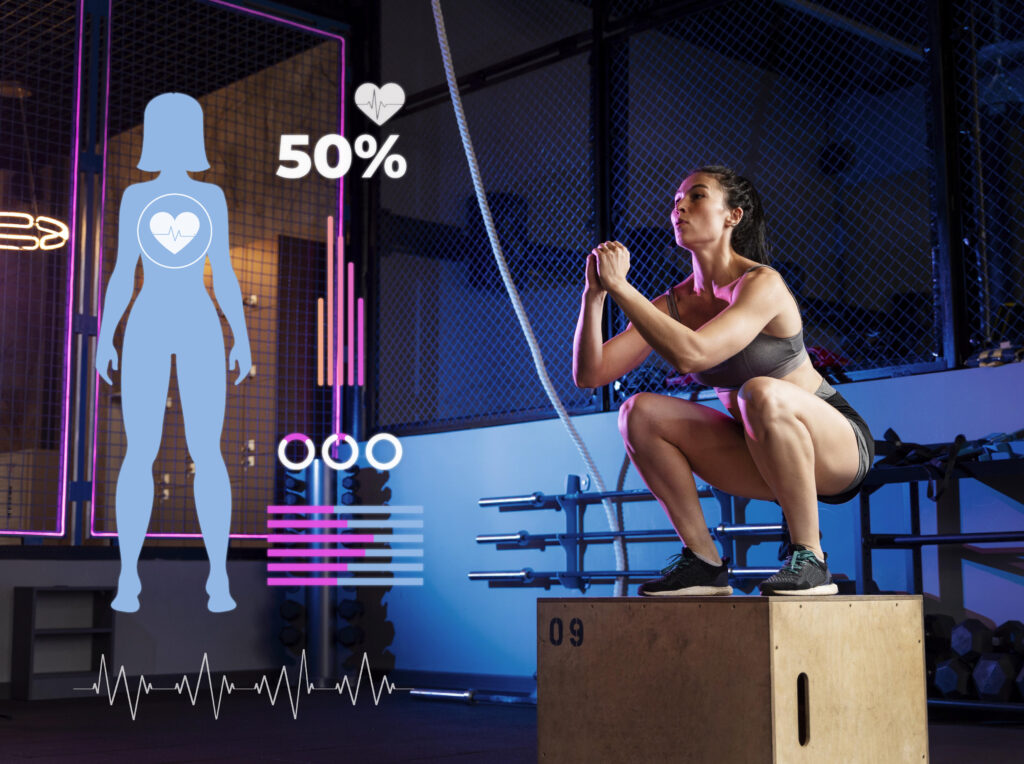
    AI is also transforming recovery—the most overlooked component of training. By analyzing sleep cycles, heart rate variability, and muscle fatigue, AI tools can identify when the body is ready to train and when it needs rest. Instead of relying on subjective cues like soreness, the system uses measurable data to prescribe recovery sessions or modify workloads.

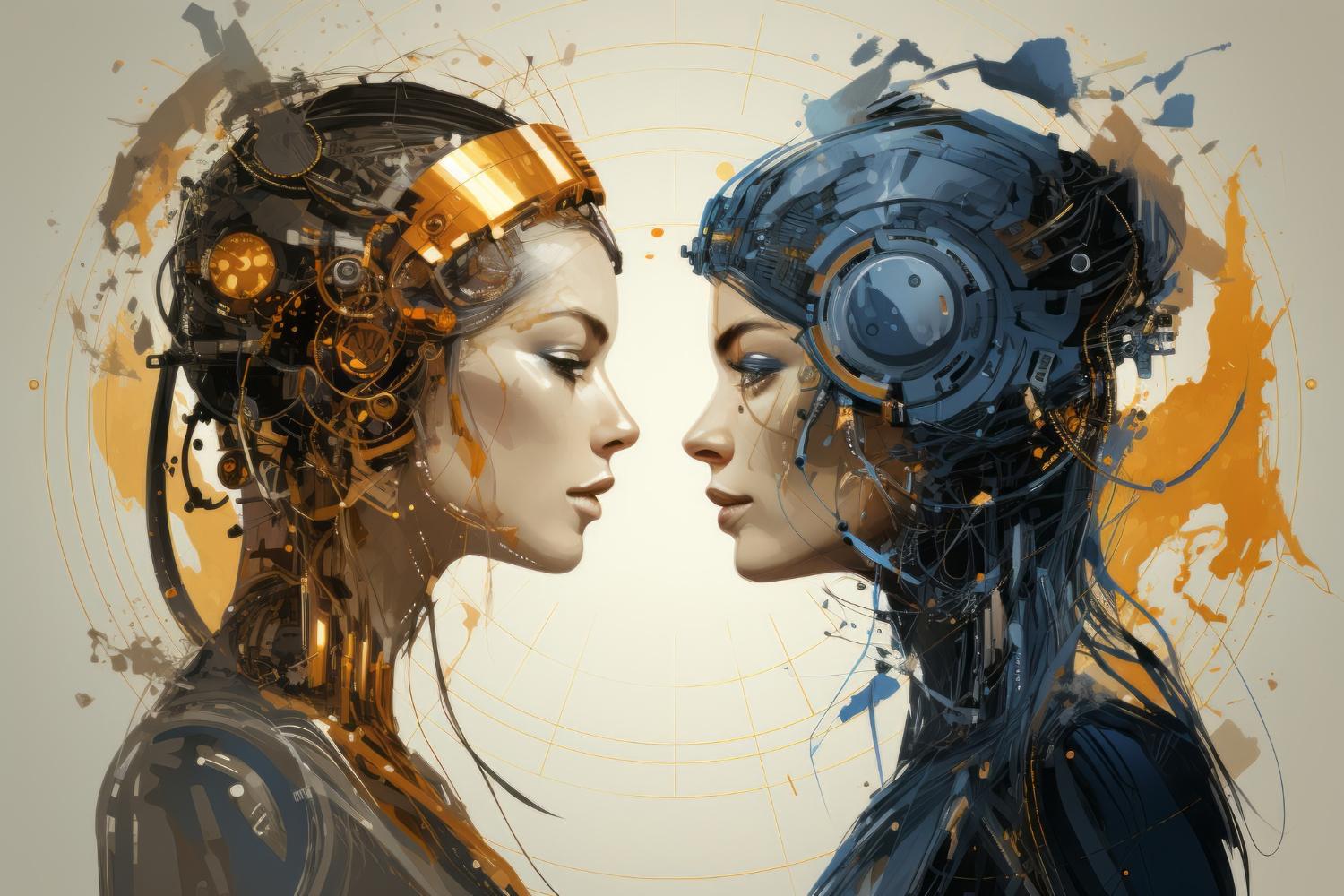
    AI tools

    This approach not only improves performance but also prevents burnout and long-term injury. Trainers can now integrate recovery science directly into programming, using AI to balance exertion and regeneration. The result is more sustainable progress, better resilience, and greater performance longevity. As this technology evolves, recovery will no longer be treated as passive downtime—it will become an active, intelligent process.

    Integrating Nutrition and Lifestyle Data

    The next wave of smart fitness connects physical training with nutrition and lifestyle habits. AI systems can cross-analyze food intake, hydration, and even mood to identify how these factors influence training outcomes. If a client’s recovery drops after poor sleep or inconsistent meals, the AI can correlate patterns and suggest changes. This holistic integration brings the concept of “total wellness coaching” to life.

    For personal trainers, having access to such multidimensional insights means they can design more effective and realistic programs. They can align training intensity with caloric intake, hydration levels, and hormonal rhythms. In the future, AI systems could even generate meal recommendations and daily activity reminders based on a client’s evolving physiological profile, making health truly interconnected and automated.

    Virtual Coaching and Global Access

    The combination of AI and digital communication is breaking down geographical barriers in fitness. Trainers can now coach clients from anywhere using virtual sessions enhanced with motion tracking and automated feedback. AI-driven platforms can evaluate a client’s performance in real time and provide instant corrections, even without the trainer being physically present.

    This remote model increases accessibility, affordability, and flexibility for clients worldwide. For trainers, it expands reach and scalability without sacrificing personalization. Virtual coaching powered by AI ensures every client, regardless of location, can receive high-quality, data-informed instruction comparable to in-person sessions. The future of personal training is both global and deeply individualized.

    Human-AI Collaboration in Coaching

    While AI excels at processing data, the human element remains indispensable. Trainers bring emotional intelligence, motivation, and ethical decision-making—qualities no algorithm can replicate. The future will depend on how well trainers learn to work with AI tools rather than compete against them.

    A trainer’s role will evolve into that of a strategist, using AI to interpret data, refine programming, and build trust-based relationships. Those who embrace technology will find themselves more efficient and impactful. They’ll spend less time on repetitive analysis and more time guiding clients through meaningful transformation, both physically and mentally.

    Ethical and Practical Considerations

    With great data comes great responsibility. As fitness becomes increasingly digital, privacy and data security will become central concerns. Trainers and clients must understand who owns their health data and how it’s used. Transparency and consent will be vital in maintaining trust in AI-driven platforms.

    There’s also the question of dependence—how much should we rely on algorithms to tell us how we feel or what we can do? The best systems will encourage self-awareness, not replace it. They will enhance intuition, not override it. The goal should always be empowerment through insight, not control through automation.

    The Future of Smart Fitness

    AI is not a passing trend—it’s a foundational shift in how we approach fitness, health, and performance. As predictive modeling, biometric analysis, and neural computing continue to advance, personal training will become more scientific, adaptive, and inclusive. The gym of the future will be less about equipment and more about intelligence—machines that think, track, and learn alongside us.

    The role of the personal trainer will remain central, but their toolkit will expand dramatically. With AI as their silent partner, trainers will help clients reach new heights of precision, efficiency, and well-being. Smart fitness isn’t about replacing the human connection—it’s about enhancing it with knowledge that was once impossible to obtain. The result will be a future where every workout, every meal, and every recovery cycle contributes to the most optimized version of ourselves.

  • Hello world!

    Welcome to WordPress. This is your first post. Edit or delete it, then start writing!