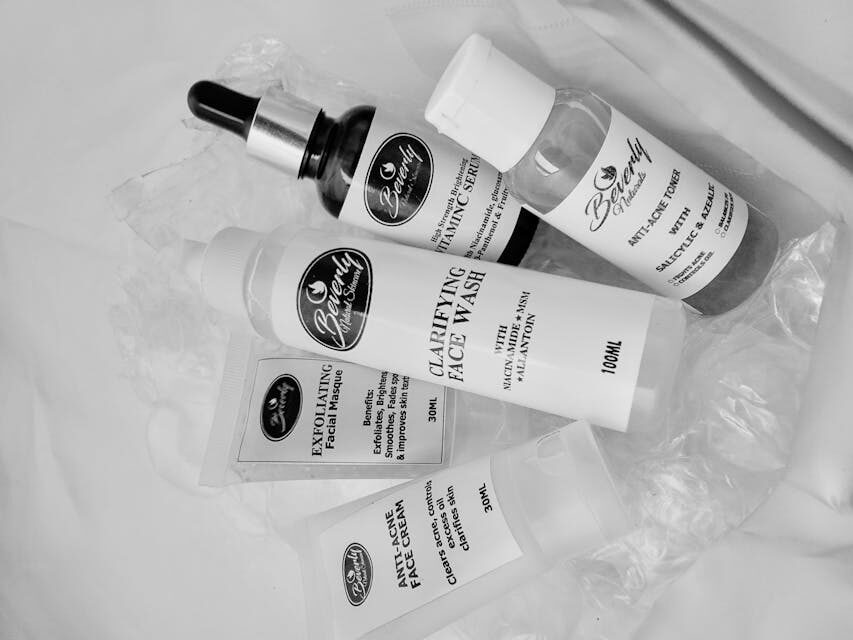
Premium beauty care stores are no longer just places where customers browse shelves or scroll through product pages. Today, shoppers expect a beauty experience that feels personal, guided, and relevant to their own needs. Someone looking for a hydrating skincare routine does not want to see the same suggestions as someone shopping for full-coverage makeup or hair repair products. This is where AI tools are changing the way premium beauty care stores serve their customers.
AI helps beauty stores understand what shoppers are looking for, recommend better products, answer questions faster, and create a more customized shopping journey. For premium beauty care stores, this is especially important because customers often expect a higher level of service. They want products that match their skin type, tone, lifestyle, preferences, and beauty goals.
AI Makes Beauty Shopping Feel More Personal
One of the biggest ways AI is helping premium beauty care stores is by making the shopping experience feel less general. Instead of showing every customer the same products, AI can help stores understand what each shopper may be interested in. It can look at browsing behavior, previous purchases, search history, product preferences, and customer responses to suggest better options.
For example, if a customer often looks at gentle skincare, fragrance-free products, or hydrating formulas, AI can use that information to show more relevant recommendations. If another customer usually shops for makeup with a natural finish, the store can highlight products that match that style. This saves time and helps customers avoid scrolling through items that do not fit their needs.
This type of personalization is useful because beauty shopping is very individual. Customers have different skin concerns, shade preferences, hair needs, and comfort levels with ingredients. AI helps premium beauty care stores create a shopping journey that feels closer to receiving personal assistance rather than browsing a random catalog.
Product Recommendations Become More Helpful
AI-powered product recommendations are one of the most common ways beauty stores personalize shopping. A premium beauty care store may carry many types of skincare, makeup, hair care, body care, and fragrance products. Without guidance, customers can easily feel confused or unsure about what to choose.
AI can help by recommending products based on what the customer has already shown interest in. If someone has viewed products for dry skin, AI may suggest moisturizers, cleansers, or serums that support hydration. If a shopper has bought a certain type of product before, the store may recommend complementary items that fit the same routine.
This makes product discovery easier. Customers do not have to start from zero every time they visit the store. The experience feels more thoughtful because the store seems to understand their preferences. For premium beauty care stores, this can also build trust because customers feel guided rather than pushed.
AI Quizzes Help Customers Find the Right Products
Many customers do not know exactly which beauty products they need. They may know they have dry skin, dullness, breakouts, frizz, or uneven tone, but they may not know which product type is best for them. AI-powered quizzes can make this process easier by asking simple questions and turning the answers into personalized suggestions.
A beauty quiz may ask about skin type, skin goals, sensitivity, routine habits, preferred texture, makeup finish, or hair concerns. AI can then use these answers to suggest a more focused list of products. This feels more helpful than leaving customers to search through dozens of categories on their own.
For premium beauty care stores, AI quizzes can create a guided experience that feels similar to speaking with a beauty consultant. The customer gets a sense of direction, and the store can recommend products that are more likely to match the shopper’s needs. This improves confidence before purchase.
Virtual Try-On Tools Reduce Guesswork
Buying beauty products online can be risky because customers cannot always test the product before purchasing. This is especially true for makeup shades, hair color, and products where finish matters. AI-powered virtual try-on tools help solve this problem by letting customers see how certain shades or looks may appear before they buy.
A customer can test different lip colors, foundation shades, blush tones, or eye looks digitally. While virtual try-on is not always perfect, it gives shoppers a better idea than simply looking at a product photo. This can reduce confusion and help customers compare options more easily.
For premium beauty care stores, this matters because customers often want more confidence before spending on higher-quality products. If they can preview a product and feel more certain about their choice, they are more likely to complete the purchase and feel satisfied with it.
AI Chat Support Gives Faster Beauty Guidance
Premium beauty shoppers often have questions before buying. They may want to know which product suits oily skin, how to layer skincare, whether a product is suitable for sensitive skin, or what type of formula fits their routine. AI chat support can help answer these questions quickly.
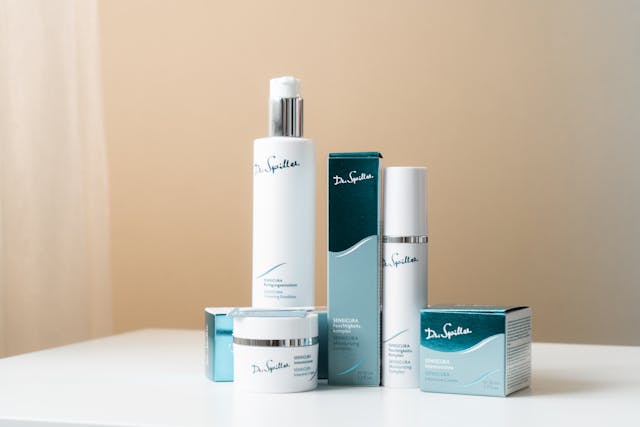
An AI assistant can guide customers through product categories, explain basic product use, compare different options, and help shoppers narrow their choices. This is useful because customers do not always want to wait for human support, especially when they are already browsing and ready to buy.
However, AI chat support should be used carefully. It should give general beauty guidance, not medical advice. Serious skin concerns should always be handled by a qualified professional. When used properly, AI chat support can make the shopping experience smoother and more helpful.
AI Helps Build Complete Beauty Routines
Many customers are not just buying one item. They may want a full skincare routine, makeup routine, or hair care routine. AI can help premium beauty care stores recommend products that work together instead of suggesting random items.
For example, if a customer wants a simple skincare routine, AI can suggest a cleanser, moisturizer, and daytime protection product. If someone wants a more targeted routine, AI may recommend treatment products based on their goals. The key is that the recommendations feel connected and useful.
This is especially important in premium beauty because customers want to understand why each product matters. AI can help explain how products fit into a routine, when to use them, and what role they play. This makes the customer feel more informed and confident.
Personalized Emails and SMS Feel More Relevant
AI also helps beauty stores personalize communication after a customer leaves the website. Instead of sending the same email or SMS to everyone, stores can send messages based on customer interests and behavior.
For example, a customer who browsed skincare may receive routine tips or restock reminders. Someone who looked at makeup may receive shade guidance or application advice. A returning customer may receive suggestions based on past purchases, while a new customer may receive beginner-friendly product education.
This type of personalization makes marketing feel more useful. Customers are more likely to pay attention when the message connects to what they actually care about. For premium beauty care stores, this is better than sending constant promotions that may feel generic or annoying.
AI Improves the In-Store Experience Too
AI is not only useful for online shopping. Premium beauty care stores can also use AI insights to improve the in-store experience. If a customer has a loyalty profile or account, staff may be able to see previous purchases or preferences and provide better guidance.
This helps beauty consultants recommend products more accurately. Instead of asking the customer to explain everything again, the store can already understand some of their preferences. This creates a smoother and more personal experience.
AI can also help stores stock the products customers actually want. By studying trends and purchase patterns, stores can understand which categories, shades, or product types are becoming more popular. This helps customers find relevant products more easily when they visit the store.
AI Can Reduce Returns and Disappointment
Returns and dissatisfaction are common in beauty shopping, especially when customers buy products online. A product may not match their skin tone, texture preference, routine, or expectations. AI helps reduce this problem by improving product selection before purchase.
When customers use quizzes, personalized recommendations, virtual try-on tools, and AI chat support, they make more informed decisions. They are less likely to buy something that does not suit them. This can reduce returns and improve customer satisfaction.
For premium beauty care stores, this is very important. Customers spending more on beauty products expect a better experience. If AI helps them choose correctly, they are more likely to trust the store and return for future purchases.
The Future of Premium Beauty Shopping Is More Customized
AI tools are helping premium beauty care stores create shopping experiences that feel more personal, useful, and convenient. Customers no longer want generic product suggestions. They want beauty guidance that matches their skin, style, goals, and preferences.
The future of premium beauty shopping will likely include smarter product recommendations, better virtual try-on tools, more accurate routine builders, and more personalized customer support. Stores that use AI thoughtfully can make customers feel understood without removing the human touch.
AI works best when it supports the customer instead of overwhelming them. Beauty shopping is personal, and customers still value trust, care, and expert guidance. When premium beauty care stores use AI in the right way, they can offer a shopping experience that feels easier, smarter, and truly made for each customer.
Leave a Reply