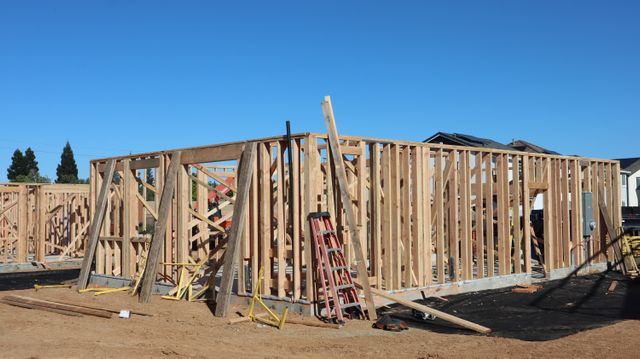
Construction projects have always depended on careful planning, skilled labor, and effective coordination. However, increasing material costs, tighter deadlines, and rising customer expectations are making traditional construction practices more difficult to manage. Artificial intelligence is introducing new ways to address these challenges, helping construction professionals make informed decisions, reduce unnecessary expenses, and maintain better control over project activities.
For a commercial and residential construction company, adopting AI-powered tools can improve everything from initial project estimates to final inspections. These technologies do not replace experienced contractors, architects, or engineers. Instead, they support construction teams by simplifying repetitive tasks, identifying potential problems, and making valuable project information easier to access. As AI becomes more practical for everyday construction operations, businesses of different sizes can benefit from its growing capabilities.
Smarter Construction Planning Starts With Artificial Intelligence
Successful construction begins long before workers arrive at a job site. Contractors must evaluate property conditions, determine project requirements, estimate material quantities, and organize construction schedules. Even minor mistakes during these early stages can result in expensive adjustments once construction begins.
AI-powered planning tools help construction teams analyze historical project information, design specifications, and scheduling requirements. By comparing data from similar projects, these systems can identify potential challenges and recommend more efficient approaches. Contractors can use this information to develop realistic project schedules, improve resource allocation, and anticipate possible delays.
Residential construction projects often involve unique homeowner preferences, property restrictions, and design modifications. Commercial projects may introduce additional requirements involving building capacity, accessibility, safety, and operational needs. AI can help organize these different considerations into a more manageable planning process, allowing project managers to identify conflicts before they affect construction progress.
More accurate preparation also improves communication between clients and contractors. When project expectations, timelines, and possible challenges are clearly established, both parties can make decisions with greater confidence.
Improving Cost Estimates and Construction Budgets
Budget management remains one of the most demanding responsibilities in the construction industry. Material prices fluctuate, labor expenses vary, and unexpected site conditions can introduce costs that were not included in initial estimates. Traditional estimating methods can become particularly challenging when contractors manage several projects simultaneously.
Artificial intelligence supports construction estimating by analyzing quantities, historical costs, labor requirements, and available project documentation. These tools can recognize patterns in previous projects and help estimators identify expenses that might otherwise be overlooked.
For example, a residential renovation may involve replacing damaged structural components after demolition begins. Although AI cannot predict every hidden condition, historical project data can help contractors establish more realistic contingency allowances.
Commercial developments often involve larger budgets and more complicated purchasing requirements. AI-supported cost analysis can help contractors compare material alternatives, examine purchasing schedules, and evaluate the financial impact of proposed design changes.
However, automated estimates still require professional verification. Local material prices, contractor availability, project specifications, and site conditions must be reviewed before a budget is finalized. The greatest benefit comes from combining intelligent analysis with experienced construction judgment.
Using AI to Make Commercial Construction More Efficient
Commercial construction projects frequently involve multiple subcontractors, engineering disciplines, suppliers, and approval processes. Coordinating these activities requires accurate information and consistent communication. When one task falls behind schedule, it can affect several other operations.
AI tools can assist project managers by examining construction schedules and identifying activities that are likely to create delays. By reviewing task dependencies, labor availability, and previous project performance, these systems can highlight areas requiring additional attention.
Large commercial buildings also involve interconnected structural, electrical, mechanical, and plumbing systems. AI-assisted design analysis can help identify possible coordination conflicts before installation begins. Detecting these issues during planning may reduce the need for expensive on-site modifications.
Another valuable application involves construction documentation. Commercial contractors handle substantial amounts of correspondence, inspection reports, contracts, drawings, and technical information. AI-supported document management makes it easier to locate relevant records, summarize project updates, and identify missing documentation.
These improvements can reduce administrative workloads while allowing project managers to devote more attention to workmanship, contractor coordination, and quality assurance.
Enhancing Residential Construction and Home Renovation Projects
Residential construction requires a different approach because homeowners are often directly involved in design decisions, material selection, and project approvals. Clients may have difficulty interpreting technical drawings or understanding how proposed changes will affect their finished property.
AI-assisted visualization can help bridge this communication gap. Contractors and designers can produce conceptual representations of different layouts, finishes, and renovation possibilities. Homeowners can explore potential changes before committing to expensive construction work.
For example, a kitchen remodeling project may involve adjusting cabinet arrangements, improving available storage, and modifying lighting placement. AI-supported design tools can help evaluate alternative configurations while considering room dimensions and functional requirements.
Home additions and complete renovations may also benefit from improved scheduling and cost forecasting. Contractors can organize construction phases, estimate material requirements, and communicate anticipated disruptions to homeowners.
While digital tools can simplify decision-making, they cannot replace physical site assessments or professional design verification. Structural modifications, electrical work, plumbing changes, and permit requirements must still be evaluated by qualified professionals.
When used appropriately, AI helps create a more transparent residential construction experience, with fewer misunderstandings between contractors and property owners.
Strengthening Job Site Safety Through Intelligent Monitoring
Construction environments contain numerous hazards, including heavy machinery, elevated working areas, electrical equipment, and moving materials. Maintaining safe operations requires consistent supervision, appropriate training, and compliance with applicable regulations.
Artificial intelligence can support safety management by analyzing inspection records, incident reports, and job site observations. These systems can identify recurring safety concerns and help managers prioritize corrective actions.
Certain computer vision applications can also examine authorized camera footage to detect potentially unsafe conditions, such as restricted-area access or missing protective equipment. However, the accuracy of these systems depends on factors such as lighting, camera positioning, and the quality of the underlying technology.
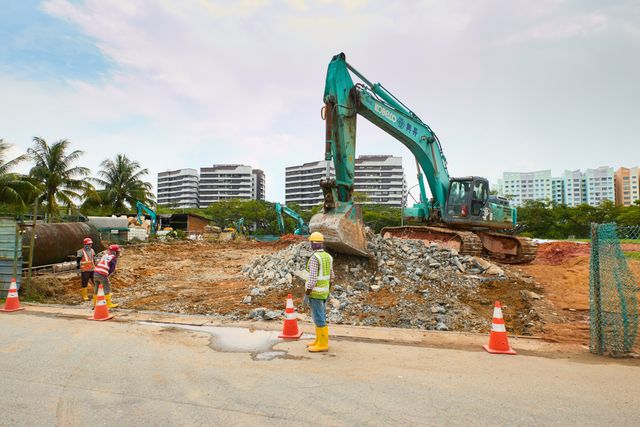
AI-supported safety analysis can be useful for both residential and commercial projects. Residential contractors may benefit from identifying hazards during roofing, demolition, or structural renovation. Larger commercial construction teams can use aggregated safety information to assess risks across multiple working areas.
Nevertheless, automated monitoring should never replace trained safety personnel or established inspection procedures. Human supervision remains essential for interpreting site conditions, responding to emergencies, and ensuring workers follow appropriate safety practices.
The purpose of intelligent monitoring is to provide additional information that supports safer decisions, not to transfer safety responsibility to automated systems.
Reducing Material Waste and Improving Resource Management
Construction waste creates financial and environmental challenges for contractors and property owners. Excess materials, damaged supplies, inaccurate measurements, and poorly coordinated deliveries can increase project expenses.
AI-supported resource planning helps construction teams estimate material requirements with greater consistency. By examining design specifications, previous consumption patterns, and construction schedules, these systems can support more accurate purchasing decisions.
For residential projects, better material planning can reduce unnecessary purchases of flooring, drywall, insulation, and finishing materials. Commercial projects may benefit from improved coordination of large material deliveries, particularly when storage space is limited.
AI tools can also help assess whether unused materials from one project could be suitable for another. This approach supports better inventory management and may reduce disposal costs.
Sustainable construction involves more than minimizing waste. Contractors must also consider energy efficiency, material durability, maintenance requirements, and building performance. AI-assisted analysis can support comparisons between different construction options, helping teams evaluate potential long-term operating costs.
Although environmental performance depends on many factors, improved data analysis gives contractors additional opportunities to make practical, resource-conscious decisions throughout the construction process.
Making Communication Easier Between Contractors and Clients
Poor communication is a frequent source of construction disputes. Homeowners may be uncertain about project progress, while commercial property owners may need regular updates for budgeting, tenant coordination, or operational planning.
AI-assisted communication tools can help construction companies organize project updates, summarize meetings, and maintain clearer records of decisions. Instead of reviewing lengthy email exchanges, project managers can retrieve relevant information and prepare concise progress reports.
These capabilities are especially helpful when changes occur during construction. A delayed material delivery, revised design specification, or unexpected site condition may affect both the budget and completion schedule.
With organized project information, contractors can explain the reasons behind proposed adjustments and communicate their expected impact more clearly.
Residential clients benefit from understanding upcoming construction activities and decisions that require their approval. Commercial clients can use structured progress updates to coordinate business operations, financing arrangements, and occupancy plans.
However, AI-generated communication must be reviewed for accuracy. An automated summary should not be treated as confirmation that work has been completed, approved, or inspected unless the underlying records support that statement.
Reliable communication depends on accurate information, transparency, and timely responses from the people responsible for the project.
Predictive Maintenance and Long-Term Building Performance
The value of artificial intelligence does not necessarily end when construction is completed. AI can also help property owners evaluate building performance and identify maintenance requirements.
Commercial properties often contain extensive heating, ventilation, cooling, electrical, and mechanical systems. When suitable sensors and operational records are available, AI-based analysis can help identify unusual equipment behavior and potential maintenance concerns.
For example, changes in equipment performance may indicate that a component requires inspection before a complete failure occurs. Early investigation can sometimes reduce disruption and avoid more expensive repairs.
Residential buildings may also benefit from intelligent monitoring of energy consumption, temperature patterns, and certain connected household systems. These applications can help homeowners identify inefficient operating conditions or changes that deserve professional attention.
Construction companies that understand long-term building performance can incorporate maintainability into their planning decisions. Selecting accessible equipment locations, durable materials, and practical service arrangements may improve a property’s usability over time.
Predictive systems are not guarantees against equipment failure. Their recommendations depend on reliable data and should be evaluated alongside professional maintenance procedures.
Challenges Construction Companies Must Consider Before Adopting AI
Despite its advantages, artificial intelligence introduces challenges that construction businesses should evaluate carefully. Purchasing technology without identifying a specific operational problem can create unnecessary expenses and disrupt established workflows.
Data quality is one of the most important concerns. AI systems that rely on incomplete estimates, outdated drawings, or inaccurate historical records can produce misleading recommendations. Contractors must establish reliable documentation practices before depending heavily on automated analysis.
Employee training presents another challenge. Project managers, estimators, supervisors, and administrative staff need to understand how to interpret AI-generated information and recognize situations requiring manual review.
Data privacy and security also deserve attention. Construction records may contain sensitive financial information, building plans, client details, and contractual documentation. Businesses should evaluate how information is stored, accessed, and protected when considering AI-based services.
Additionally, construction companies must distinguish between automated assistance and professional responsibility. Building codes, permit conditions, engineering requirements, and contractual obligations cannot be delegated entirely to software.
A practical adoption strategy begins with clearly defined uses, such as organizing documents, improving estimate preparation, or tracking project schedules. Contractors can then measure whether these applications provide meaningful benefits before expanding their use.
The Future of AI in Commercial and Residential Construction
Artificial intelligence is likely to become increasingly integrated into construction planning, estimating, documentation, and building management. As these technologies improve, contractors may gain access to more accurate forecasting capabilities and better ways to coordinate complicated projects.
Future construction operations could involve closer connections between design information, project schedules, purchasing activities, and job site reporting. When these systems share reliable data, construction teams can identify developing problems earlier and make adjustments with fewer administrative delays.
Smaller residential contractors may find particular value in tools that simplify office operations and reduce time spent managing paperwork. Larger commercial construction businesses may focus on scheduling coordination, procurement analysis, risk management, and operational efficiency across multiple projects.
Yet technology alone will not determine construction quality. Skilled tradespeople, experienced project managers, reliable subcontractors, and clear client communication will remain essential to successful outcomes.
The most effective construction businesses will be those that apply AI selectively, verify its recommendations, and preserve the professional expertise required to deliver safe, functional, and durable buildings.
Conclusion
Artificial intelligence is changing how commercial and residential construction companies approach project planning, budgeting, safety, communication, and resource management. By improving access to project information and reducing repetitive administrative work, AI tools can help contractors operate more efficiently while maintaining stronger oversight of construction activities.
For property owners, these improvements may translate into clearer expectations, better-informed decisions, and a more organized construction experience. For contractors, they create opportunities to manage growing operational demands without compromising the importance of skilled workmanship.
Ultimately, the future of construction is not about replacing people with technology. It is about combining intelligent tools with practical experience to build properties that meet today’s requirements and remain valuable for years to come.
Leave a Reply