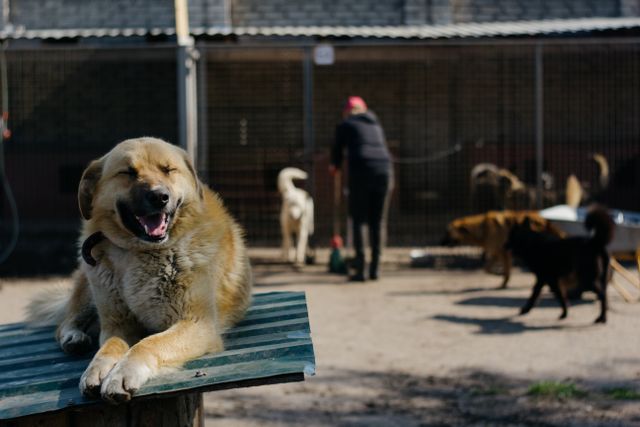
Pet daycare is built around something technology cannot provide on its own: attentive human care. Dogs and other pets do not experience a daycare facility as a collection of appointments and data points. They respond to people, other animals, sounds, routines, unfamiliar surroundings, play, rest, and changes in their environment. Understanding those responses requires observation and experience.
At the same time, running a daycare involves a considerable amount of information. Staff need to manage reservations, owner instructions, feeding routines, medication directions where applicable, emergency contacts, behavioral notes, group assignments, pickup schedules, and communication with pet owners.
This is where artificial intelligence has a practical place in the future of pet daycare. Rather than replacing caregivers, AI tools can help organize the information surrounding daily care. Used carefully, they can reduce repetitive administrative work, identify useful patterns, and make important details easier for staff to access.
The future may therefore be less about an “AI-run daycare” and more about giving caregivers better tools so they can spend more of their attention where it belongs: on the animals in their care.
Check-Ins Could Become Faster and More Informative
Morning check-in can be one of the busiest periods at a pet daycare. Several pets may arrive within a short period while owners provide instructions, staff confirm reservations, belongings change hands, and important updates need to be recorded.
Digital systems already simplify parts of this process, but AI could make the information easier to organize.
For example, information submitted before arrival could be summarized into a concise daily record. Staff might quickly see that a pet has a different pickup person that afternoon, needs a modified feeding routine, or should have restricted activity based on instructions provided by the owner.
This reduces the chance that an important detail becomes buried within lengthy notes.
AI could also help identify missing information before check-in is completed. If required records or emergency-contact details need updating, the system could flag them for staff rather than relying on someone to notice manually.
The technology should support the conversation at check-in, not eliminate it. Owners may have observations that are difficult to communicate through a form, and staff should always have the opportunity to ask questions when something is unclear.
AI Can Help Turn Care Notes Into Useful Daily Information
Pet daycare teams accumulate large amounts of information over time. Some pets attend occasionally, while others may visit several times each week.
Care records can include feeding details, preferred activities, social behavior, rest habits, previous incidents, owner instructions, and observations made by staff.
The challenge is making that history useful during a busy day.
AI could help summarize relevant information before a pet arrives. Instead of expecting a caregiver to review months of records, a system could highlight recent changes and recurring observations.
Suppose staff have repeatedly noted that a dog becomes tired earlier during particularly active days. A summary could make that pattern easier to notice so caregivers can pay attention to whether additional rest is appropriate.
However, historical patterns should never become permanent labels. Animal behavior can change with age, environment, health, social groups, and many other factors.
AI-generated summaries should therefore be treated as background information. The pet standing in front of the caregiver today remains the most important source of information.
Feeding Instructions Can Be Easier to Organize
Feeding is one area where clear information matters.
Daycare facilities may care for pets with different meal schedules, portion instructions, foods, allergies, restrictions, and owner-provided directions. When many animals are present, organizing those differences manually can become complicated.
Digital care profiles can make instructions easier to access, while AI may help present the most relevant information to staff at the appropriate time.
A feeding list, for example, could be organized according to schedule while clearly identifying special instructions. Changes submitted by owners could be highlighted rather than becoming another line inside a long record.
This does not mean AI should independently decide what or how much a pet should eat. Feeding decisions should follow established facility procedures and instructions from owners or qualified veterinary professionals where appropriate.
The useful role for AI is organizational. It can help ensure that caregivers see the right information without having to search through multiple screens or documents during a busy feeding period.
Medication Information Requires Stronger Safeguards
Some pet care facilities may administer owner-provided medications according to their policies and applicable requirements. When they do, accuracy becomes especially important.
AI can potentially help organize schedules, reminders, records, and instructions. It should not independently alter medication directions, determine doses, or substitute its own recommendations for instructions from a veterinarian.
The distinction is critical.
A system could remind authorized staff that a scheduled task is approaching or help record that an instruction has been completed. It might also flag incomplete or inconsistent information so a staff member can verify it before proceeding.
But medication-related information should remain clearly traceable to its proper source. If instructions appear contradictory or incomplete, human verification is necessary.
In this part of pet care, automation should reduce administrative mistakes without introducing new uncertainty. The safest AI is often the system that knows when it should stop and ask a person to verify something.
Smarter Scheduling Can Improve the Flow of the Day
Reservations may look like a simple administrative function, but scheduling affects what happens inside a daycare.
The number of animals expected on a particular day influences staffing, space allocation, cleaning, feeding routines, check-in volume, and activity planning.
AI can help identify attendance patterns using historical booking information. Certain weekdays may consistently be busier, while holidays, school schedules, weather patterns, or seasonal travel can create changes in demand.
Better forecasting can help managers prepare rather than react.
If higher attendance is expected, staffing and operational plans can be reviewed in advance. Quieter periods can also be identified, allowing non-urgent tasks to be scheduled when the facility is less busy.
Forecasts will never be perfect. Cancellations happen, customer routines change, and unexpected events can alter attendance quickly.
The value comes from giving managers another source of information when preparing for the day rather than expecting software to make staffing decisions automatically.
AI Could Support More Thoughtful Group Planning
Grouping pets appropriately is one of the areas where technology must remain secondary to professional observation.
Pet daycare groups may consider factors such as size, play style, age, comfort level, energy, previous behavior, and facility procedures. Simply placing animals together because an algorithm considers them similar would ignore the complexity of real animal behavior.
AI could still assist with preparation.
A system might organize historical notes or highlight combinations that previously required additional supervision. It could also make relevant information easier for experienced staff to review when planning groups.

The final decision, however, needs human judgment.
A dog that usually enjoys active group play may arrive unusually quiet one morning. Another pet may react differently when a particular animal is present. These changes may only become apparent through direct observation.
Good pet care depends on responding to the animal that arrives that day rather than assuming yesterday’s data tells the entire story.
Cameras May Become Better at Directing Human Attention
Many pet facilities use cameras for security, operational oversight, or owner viewing. Future systems may become better at analyzing video and identifying situations that deserve attention.
Computer vision could potentially detect unusual movement patterns, congestion around certain areas, prolonged inactivity, or changes in group activity. Instead of requiring someone to watch multiple screens continuously, technology could direct staff attention toward a particular area.
This could be useful, but automated interpretation has significant limitations.
Normal pet behavior is highly variable. Play can look intense without being inappropriate, while subtle signs of discomfort may be difficult for software to recognize. Camera angles, lighting, overlapping animals, and physical obstacles can further reduce reliability.
Video analysis should therefore function as an additional set of signals rather than an automated supervisor.
Experienced caregivers still need to be physically present, observe interactions, recognize changes in behavior, and intervene when appropriate.
Owner Updates Could Become Easier Without Becoming Impersonal
Many pet owners want to know how their animal is doing during daycare. Providing individual updates, however, can become time-consuming when staff are caring for many pets.
AI can help with the administrative side of communication.
Care notes recorded throughout the day could potentially be organized into a short summary for staff to review before it is sent to an owner. Photos could be associated with the appropriate pet records, and routine pickup information could be prepared more efficiently.
Human review is important here.
Automatically generated messages can sound confident even when they misinterpret information. A system should not tell an owner that a pet “had a wonderful day” simply because several routine activities were logged.
Caregivers know what actually happened. Technology can help them communicate that information efficiently, but the final update should accurately reflect staff observations.
Used this way, AI can reduce the time spent composing repetitive messages without removing the personal connection owners expect from the people caring for their pets.
Cleaning and Facility Management Can Become More Responsive
Pet daycare involves considerable cleaning. Floors, play areas, feeding spaces, resting areas, entrances, equipment, and other frequently used surfaces need regular attention.
Most facilities already follow established cleaning procedures, but operational information can help determine where additional attention may be needed.
High-traffic areas may require more frequent cleaning during particularly busy days. Digital task systems can help staff track what has been completed and what remains outstanding.
AI may also help identify patterns in supply use. If certain cleaning or care supplies consistently run low during high-attendance periods, purchasing plans can account for that demand.
Environmental monitoring may become more common as well. Depending on the facility, systems could track conditions such as temperature or humidity and alert staff when readings fall outside predetermined ranges.
Technology cannot clean a facility by analyzing it. Its value lies in helping employees coordinate the many routine tasks required to maintain the environment.
AI Can Help Managers Understand Staffing Needs
Pet daycare staffing should reflect more than the number of reservations on a calendar.
Different days can create different workloads depending on the animals attending, arrival patterns, services being provided, facility layout, and operational requirements.
Historical data can help managers recognize these differences.
AI-assisted forecasting might identify periods when check-ins are typically concentrated, days when more individualized care tasks are scheduled, or times when pickups create a predictable rush.
Managers can use that information when building schedules.
The objective should not simply be reducing labor hours. In a care environment, staffing decisions need to account for appropriate supervision and the ability to respond when something unexpected happens.
Efficiency is useful when it removes unnecessary administrative work. It becomes counterproductive when it reduces the human attention animals require.
Better Information Could Support More Personalized Care
Personalization in pet daycare does not need to mean complicated technology. Often, it simply means remembering what helps an individual animal have a more comfortable day.
One pet may prefer shorter periods of active play followed by quiet time. Another may settle better with a familiar routine. Some animals may be highly social, while others may need carefully managed interactions.
Staff often learn these details through repeated experience.
Digital records can preserve that knowledge across a team so care does not depend entirely on whether one particular employee is working that day.
AI could help summarize those records and highlight useful patterns. However, personalization should remain flexible.
A preference recorded six months ago may no longer apply. Age, training, health, household changes, and social experiences can influence behavior.
Historical information can prepare caregivers, but direct observation should determine how the pet is responding in the present moment.
Privacy Will Matter as Pet Care Becomes More Digital
As pet daycare facilities collect more digital information, responsible data management becomes increasingly important.
Customer profiles may contain names, contact information, addresses, payment details, emergency contacts, schedules, photographs, veterinary information, and other records. Camera systems can also capture customers and employees as they move through facilities.
Adding AI increases the importance of understanding how that information is stored and used.
Businesses should collect information because it serves a legitimate operational purpose, not simply because technology makes collection possible. Access should be limited appropriately, and customers should have reasonable clarity about how their information is handled.
Camera-based systems require particular care because monitoring that is useful for animal supervision can also affect employee and customer privacy.
Smarter technology should create better operations without turning a pet daycare into an unnecessarily monitored environment.
Technology Should Give Caregivers More Time With Pets
The most useful test for any new technology in pet daycare is surprisingly simple: does it help employees provide better care?
If staff spend less time manually reorganizing reservations, searching through care records, writing repetitive updates, checking supply spreadsheets, or transferring information between systems, they may have more time available for direct supervision and interaction.
That is where AI can provide meaningful value.
The wrong approach would be using technology to reduce human involvement in situations where animals require observation. Pets cannot explain that they feel uncomfortable, tired, overwhelmed, or unwell in the same way a human customer can.
Caregivers need to notice those changes.
AI can organize information about a pet, but it cannot build the same relationship that develops when experienced staff repeatedly interact with that animal.
The technology should therefore operate mostly in the background, supporting rather than competing with human attention.
The Future of Pet Daycare Is Still Human
AI will probably become increasingly common in pet care businesses, but the most important parts of daycare are unlikely to become automated.
Pets still need people to welcome them, observe their behavior, supervise interactions, maintain clean spaces, provide meals according to instructions, recognize unusual changes, and respond when something unexpected happens.
Technology can strengthen the systems surrounding those responsibilities.
Check-ins can become easier to manage. Care notes can be organized more effectively. Attendance patterns can inform scheduling. Owners can receive clearer updates. Supplies can be monitored, and staff can access relevant information without digging through lengthy records.
Those improvements matter because pet daycare is a busy environment where many small details need to be managed correctly at the same time.
The future should not be measured by how much technology a facility can introduce. It should be measured by whether that technology makes daily care more organized, attentive, and consistent.
From the first check-in of the morning to the final pickup of the day, AI’s best role may be behind the scenes—handling information so people can remain focused on the pets in front of them.
Leave a Reply