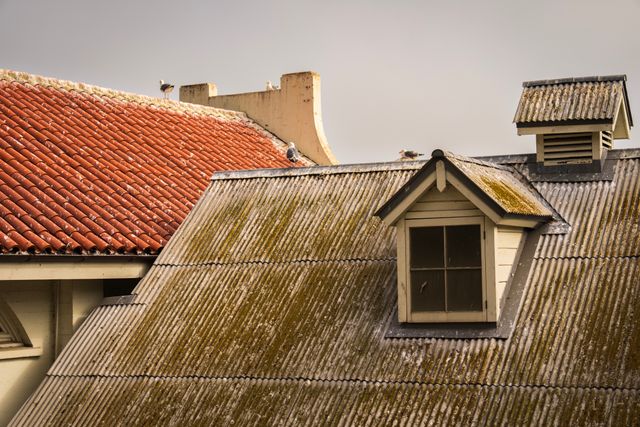
Roofing and exterior work has always depended heavily on what experienced professionals can see, measure, and recognize. A roofer examines wear patterns, flashing, drainage, roof edges, penetrations, and other details. Exterior specialists look at siding, trim, gutters, windows, and areas where different materials meet. Those observations remain essential, but the way information is collected and managed is beginning to change.
Artificial intelligence is becoming part of a larger set of digital tools used across property services. Images can be organized faster, measurements can be reviewed more efficiently, maintenance records can be easier to search, and scheduling systems can respond to changing workloads. For roofing and exterior businesses, these applications are generally less about replacing hands-on work and more about improving what happens before, during, and after a project.
A roof still needs to be physically repaired. Gutters still need to be cleared, siding needs to be installed correctly, and water-entry problems need proper investigation. AI cannot climb a ladder and understand every hidden condition of a building. Its useful role is helping professionals work with better information while keeping skilled judgment at the center of the service.
Roof Inspections Are Becoming More Data-Rich
Traditional roof inspections rely on visual observations, measurements, photographs, and the experience of the person performing the assessment. Digital technology is expanding the amount of information that can be collected during that process.
Aerial imagery, high-resolution photographs, and other inspection data can provide detailed records of roof conditions. AI-assisted image analysis can then help organize large numbers of images and identify areas that may deserve closer attention.
For example, software may flag visual irregularities that resemble missing materials, surface deterioration, displaced components, or other changes. Instead of manually sorting through hundreds of photographs from a large property, an inspector can focus attention on areas highlighted for review.
That does not make the AI’s conclusion a diagnosis.
Shadows, debris, discoloration, viewing angles, previous repairs, and normal material variations can all affect an image. Some serious roofing problems may also exist beneath surfaces where a photograph cannot detect them.
AI can help direct attention. The professional still needs to determine what the image actually means.
Drones and AI Can Work Together During Exterior Assessments
Drones have already changed how some difficult-to-access roofs and building exteriors are viewed. Combining aerial imaging with AI analysis can make the information they collect even more useful.
A drone can capture photographs from roof slopes, edges, chimneys, gutters, siding, and other elevated areas without requiring someone to physically access every surface during the initial assessment.
AI tools can assist with organizing those images by location or identifying visible patterns that deserve further review.
This can be especially valuable for large commercial buildings, steep roofs, multifamily properties, or exterior areas that would otherwise require significant access preparation just to inspect.
However, aerial assessments have limitations.
A photograph cannot always reveal whether a material is loose, how a surface responds under physical inspection, what is occurring beneath roofing materials, or whether a seal has deteriorated in a way that is difficult to see.
Drones and AI therefore work best as extensions of inspection rather than replacements for it.
Exterior Measurements Can Become Faster
Accurate measurements are essential for estimating roofing, siding, gutters, and other exterior projects.
Traditionally, measurements may involve physical access, tape measurements, roof plans, photographs, or manual calculations. Digital measurement technology can reduce some of this work.
Images and property data can be used to estimate roof dimensions, slopes, wall areas, openings, and other relevant measurements. AI-assisted systems may help identify building features and organize measurements more quickly.
This can improve the early planning stage of a project.
Contractors may be able to prepare preliminary material quantities or evaluate project complexity before spending as much time measuring every exterior surface manually.
But automated measurements still need verification.
Roof geometry can be complicated, additions may not appear correctly in older property information, and trees or neighboring structures can interfere with imagery. Small measurement errors can become important when translated into material quantities.
Digital tools can accelerate measurement, but accurate project planning still requires professionals to confirm that the numbers reflect the actual building.
AI Can Help Organize Storm-Related Inspections
Severe weather can create a sudden increase in inspection requests.
After a major hailstorm, wind event, or period of heavy rain, roofing businesses may receive calls from many property owners within a short period. Not every property will have the same level of damage or urgency.
AI-assisted systems can help organize incoming information.
Customer descriptions, photographs, location information, previous service records, and inspection requests can be categorized so teams have a clearer picture of the workload.
This can help businesses prioritize situations involving active water entry or other urgent concerns while scheduling routine assessments appropriately.
Weather information may also help identify areas that experienced particularly severe conditions.
Still, weather data cannot prove that a specific roof was damaged. Two neighboring buildings can respond differently because of roof age, materials, installation, orientation, maintenance history, and other factors.
Actual property assessment remains necessary. AI simply helps businesses manage the large amount of information that can arrive after a major event.
Estimates Can Be Built More Efficiently
Creating an exterior project estimate involves more than multiplying an area by a material price.
Measurements, roof complexity, access, labor, material requirements, removal work, disposal, flashing, drainage components, and other project details may all need consideration.
AI can help organize some of this information.
Digital systems may transfer measurements into estimating workflows, identify commonly required categories of work, or compare project details against previous jobs. This can reduce repetitive administrative tasks.
For contractors, the benefit is not simply producing estimates faster. It is reducing the chance that information gathered during an inspection becomes disconnected from the estimate prepared later.
Human review remains essential.
An automated system may recognize a roof area but fail to understand an unusual construction detail. Hidden deterioration may also be discovered only after work begins.
AI can help build the estimate, but experienced professionals still need to determine whether it reflects the real project.
Customer Questions Can Be Handled More Consistently
Roofing terminology can be unfamiliar to homeowners.
Questions about flashing, underlayment, drainage, ventilation, siding repairs, inspection findings, or project timelines can quickly become confusing. AI-supported communication tools can help businesses explain common information in clearer language.
For example, routine questions about appointment preparation, general project stages, or maintenance procedures can be answered without requiring an employee to repeatedly type the same explanation.
AI can also help turn technical notes into more understandable summaries.
The important distinction is between general information and property-specific professional advice.
An automated response should not tell a homeowner that a roof is safe, diagnose the cause of a leak, or recommend a major repair without appropriate assessment.
Customer communication works best when AI handles repetitive information while contractors remain responsible for conclusions that depend on the actual building.
Scheduling Can Respond Better to Real Workloads
Exterior services are unusually dependent on changing conditions.
Weather can delay installations. Emergency calls may appear unexpectedly. Some inspections take longer than anticipated, and material deliveries can affect project timing.
Rigid scheduling systems can struggle with these changes.
AI-assisted scheduling tools can help businesses reorganize appointments when conditions shift. Travel distances, crew availability, project type, expected duration, and weather-related constraints can potentially be considered together.
For example, several inspections in the same geographic area may be grouped to reduce unnecessary travel.
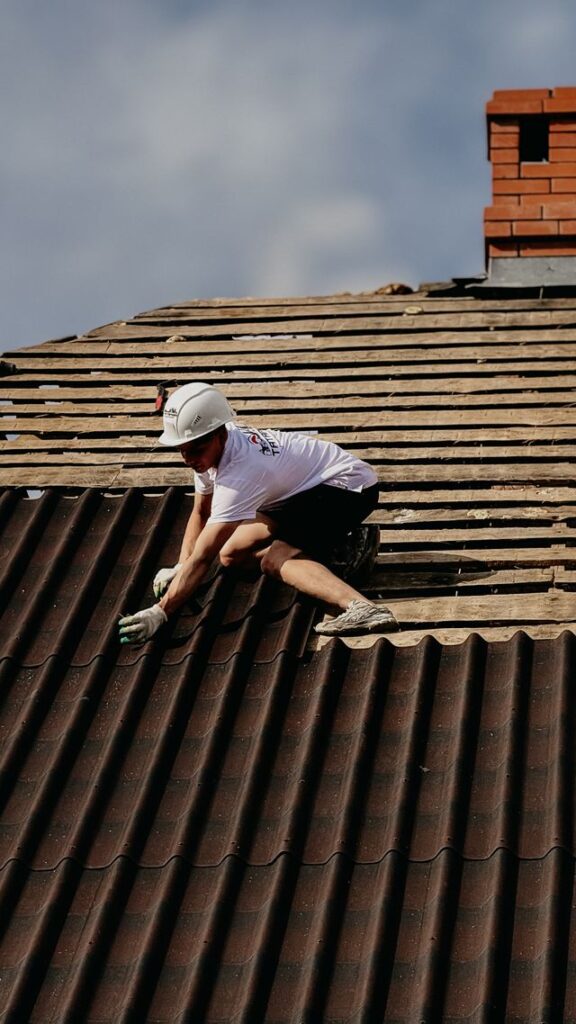
When rain makes certain exterior work impractical, schedules can be adjusted more efficiently rather than rebuilt manually one appointment at a time.
There are limits, of course.
An algorithm cannot fully predict what crews will discover once they begin removing damaged materials. Contractors need room to respond to actual site conditions.
Smarter scheduling should create flexibility, not pressure crews to meet unrealistic automated timelines.
Maintenance Records Can Become More Useful
Roofing records are often scattered across invoices, photographs, emails, inspection reports, and notes from different contractors.
AI can help make that history easier to use.
A digital system might organize photographs according to roof area, summarize previous repairs, identify recurring maintenance issues, or make inspection records searchable.
This becomes particularly valuable for commercial properties and property managers responsible for multiple buildings.
Instead of searching through years of documents to determine when a particular area was repaired, maintenance teams may be able to retrieve the relevant history quickly.
Historical information can also support future inspections.
If one gutter section has repeatedly overflowed or a particular roof transition has required several repairs, that area may deserve closer attention.
AI does not determine why the problem keeps returning. It helps professionals recognize the pattern so they can investigate it.
Predictive Maintenance May Become More Practical
Most property owners still think about roofs in two situations: when routine maintenance is due or when something goes wrong.
Better data could create a third approach.
Inspection history, material age, weather exposure, previous repairs, drainage issues, and sensor information may eventually help identify areas that are more likely to require attention.
This is predictive maintenance.
It does not mean AI can name the exact day a roof will leak. Buildings and weather are too complicated for that level of certainty.
Instead, predictive systems can identify combinations of conditions that justify closer inspection.
A commercial roof section with repeated drainage problems, for example, may be prioritized before a season of heavy rainfall. An aging exterior component with documented deterioration may be inspected more frequently than one with a stable history.
The value comes from directing limited maintenance resources toward areas where they are most likely to be needed.
Gutters Can Become Part of Smarter Monitoring
Gutters are simple components, but their condition can have significant consequences for exterior water management.
AI and connected monitoring systems could make gutter maintenance more responsive.
Sensors may detect unusual water levels or flow conditions. Combined with rainfall information and maintenance history, software could identify drainage sections that repeatedly perform poorly.
For commercial properties with extensive gutter networks, this could make inspections more targeted.
Residential systems may remain much simpler, but digital reminders and maintenance records can still help homeowners keep track of cleaning and inspections.
Technology cannot remove leaves, twigs, dirt, or other physical debris.
It can only make it easier to recognize when maintenance may be necessary.
The future of smarter gutters is therefore unlikely to involve eliminating maintenance. It will involve knowing more clearly when and where maintenance should happen.
AI Can Help With Material and Project Planning
Exterior projects require materials to arrive in the right quantities and at the right time.
Ordering too little can delay work. Ordering significantly more than necessary can increase costs and waste.
Digital measurement and estimating systems already help calculate quantities. AI can add another layer by analyzing previous projects, typical material usage, waste patterns, and project characteristics.
For larger contractors, this information may help improve purchasing and inventory planning.
Historical data can reveal which materials are regularly overordered or which project types tend to require additional components.
However, construction sites are not perfectly predictable.
Hidden deterioration, unusual roof geometry, material defects, weather damage, or design changes can alter requirements after work begins.
AI can help businesses plan with greater accuracy, but experienced project managers still need reasonable allowances for the unexpected.
Exterior Businesses Can Spend Less Time on Repetitive Administration
A large portion of a roofing professional’s working day may happen away from the roof.
Appointment confirmations, customer questions, job notes, estimate preparation, photographs, follow-ups, invoices, and scheduling all require time.
AI can assist with many of these repetitive administrative tasks.
Technicians may use structured digital notes that are automatically organized into service records. Inspection findings can be summarized for office staff, while routine follow-up messages can be prepared based on completed work.
This can reduce duplicate data entry.
The important benefit is not replacing administrative employees. It is allowing information collected in the field to move through the business without repeatedly being copied from one system or document to another.
When administrative work becomes more efficient, contractors can devote more attention to inspections, project planning, workmanship, and customer questions that genuinely require human involvement.
AI Should Not Make Roofing Decisions Without Human Review
Roofing involves real buildings, physical hazards, weather exposure, and significant financial decisions. That makes overreliance on automation risky.
AI can misinterpret images. Property records can be outdated. Automated measurements can contain errors, and a model may generate a confident explanation even when the underlying information is incomplete.
Professional review therefore remains necessary.
A homeowner should not authorize a complete roof replacement solely because an automated image analysis identified possible damage. Likewise, a contractor should not assume a digital measurement is correct without considering the actual building.
The same principle applies to exterior repairs.
AI is strongest when it handles information-intensive tasks: sorting images, organizing records, identifying patterns, assisting with scheduling, and preparing preliminary calculations.
Final decisions should remain with people who can inspect the property, understand construction details, and take responsibility for the work.
Data Privacy Will Matter as Roofing Becomes More Digital
Roofing technology increasingly relies on property photographs, aerial images, addresses, building measurements, customer records, and maintenance histories.
That information needs appropriate handling.
Businesses should consider what data they collect, why it is necessary, where it is stored, and who can access it. Customers should not have to surrender unnecessary personal information simply because an inspection or scheduling process uses AI.
Photographs deserve particular care because exterior images may capture neighboring properties, vehicles, people, or other details unrelated to the roofing project.
AI tools should also be evaluated before sensitive customer or business information is uploaded.
Smarter technology should improve service without creating unnecessary privacy risks.
As digital tools become more common across construction trades, responsible data management will become another part of professional practice.
The Skilled Roofer Is Not Disappearing
The growing role of AI can make it sound as though roofing is moving toward complete automation. The physical reality of the work tells a different story.
Someone still has to inspect difficult details, determine why water is entering, remove damaged materials, prepare surfaces, install components correctly, maintain gutters, and verify that completed work performs as intended.
Roofing also involves conditions that change from property to property.
Two houses built in the same year can have different repair histories, ventilation conditions, drainage patterns, storm exposure, and installation details.
AI can process information quickly, but it does not possess the hands-on understanding that develops from working with real buildings.
The future is more likely to involve skilled roofers using better digital tools rather than technology eliminating the trade.
Smarter Roofing Is Really About Better Information
The biggest change AI may bring to roofing and exterior services is not a robotic system replacing workers on rooftops. It is better access to useful information throughout the service process.
Inspection photographs can be easier to review. Measurements can be produced faster. Maintenance histories can be searched rather than buried in old files. Scheduling can respond to weather and workload, while recurring exterior problems can become easier to recognize across years of service records.
These improvements can help roofing businesses spend less time organizing information and more time acting on it.
But the physical fundamentals remain unchanged. Water still needs to be directed away from the building. Roofing materials still need correct installation. Gutters still require maintenance, and unusual conditions still need experienced assessment.
AI is most useful when it strengthens those fundamentals rather than pretending to replace them.
The future of roofing may therefore look familiar from the street. The difference will be behind the scenes, where better measurements, better records, faster analysis, and more organized maintenance can help professionals make smarter decisions from the top of the building down.
Leave a Reply